REVIEW · ROME
Best of Rome in a Day Private Guided Tour Including Vatican, Sistine Chapel, and Colosseum
Book on Viator →Operated by Raphael Tours & Events · Bookable on Viator
One day can feel like Rome’s whole timeline.
This private tour strings together ancient power and Renaissance art in a single walk-driven route, ending inside St. Peter’s Basilica. Starting at the Colosseum keeps the momentum high, and the guide’s storytelling helps you see how the same city ideas kept getting rebuilt over centuries.
I love the skip-the-line planning for the Vatican and Pantheon, plus the Colosseum reservation included in your ticket bundle. I also love the human touch: names like Claudia, Paola, Francesco, Thomas, Donato, and Maria show up in the guide lineup, and the common thread is clear, organized explanations that turn big sights into understandable scenes.
The main drawback is simple: this is a lots-of-walking kind of day with strict entry rules for religious sites and selected museums. If you hate crowds, have limited stamina, or show up underdressed for the Vatican, you’ll feel it fast.
In This Review
- Key Things You’ll Feel Immediately
- What This Private Best of Rome Route Covers
- Entering The Colosseum Arena (And Why Starting Here Helps)
- Roman Forum Power Walk: Arches, Temples, and Political Rome
- Capitoline Hill and Vittoriano: The City Rebuilds Its Identity
- Trevi Fountain Stop: The Coin Toss Is the Easy Part
- Lunch Break in the Government District Area (Own Expense, Built-In)
- Pantheon: Raphael’s Tomb and the Geometry Everyone Talks About
- Ancient Baths of Nero and Piazza Navona’s Bernini Fountain
- Vatican Museums Strategy: Raphael Rooms, Sistine Chapel Ceiling, and More
- Sistine Chapel Timing: Quiet Rules, Big Impact
- St. Peter’s Basilica: Pietà, Side Chapels, and the Signed Work Detail
- Price and Value: What $663.75 Buys You in Real Life
- Dress Code, IDs, and Other Entry Rules That Can Stop Your Day
- Physical Stamina and What Your Feet Will Notice
- Which Type of Traveler Should Book This?
- Should You Book This Best of Rome in a Day Private Tour?
- FAQ
- What’s included with the Best of Rome in a Day tour?
- How long is the private tour and how far do you walk?
- Are tickets included for all the major sights?
- What should I wear for the Vatican and other worship sites?
- What happens if parts of the Vatican close last minute?
- Is lunch included in the price?
Key Things You’ll Feel Immediately
- Skip-the-line Vatican and Pantheon saves a lot of dead time in queues
- Colosseum + Roman Forum in one stretch gives you the “Rome worked like this” picture early
- Route through multiple Rome eras: Vittoriano, Trevi, Government District, Pantheon, Navona, Vatican
- Lunch is on your own but built into the pacing so you can recharge
- Vatican flexibility when areas close: the guide reroutes to keep the museum portion strong
- Stairs and walking are real: bring comfortable shoes and plan for a long day
What This Private Best of Rome Route Covers
This is a private, 6–7 hour walking tour that tries to hit the biggest “you can’t miss this” sites without dumping you into random wandering. You’ll start at Piazza del Colosseo, move from ancient Rome to the center of modern political Rome, then shift into the Pantheon area before finishing across the Tiber at the Vatican.
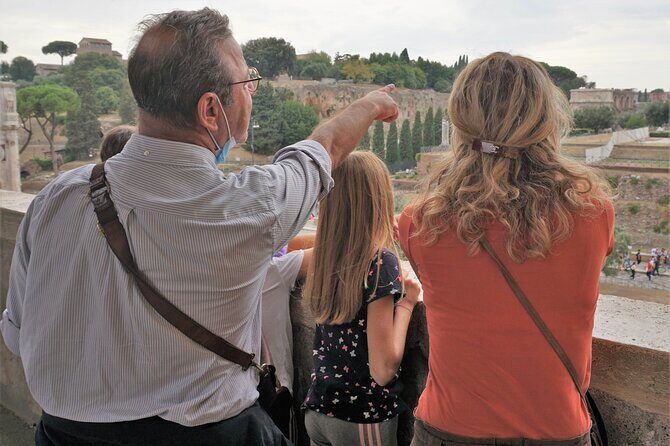
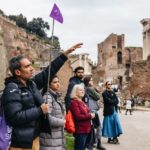
The style is story-forward. Instead of just pointing, your guide explains why each place matters—sometimes with photo references or simple visuals—so you don’t just collect landmarks. That matters in Rome, where the sights can blur together if you don’t have a guide putting them in order.
More Colosseum + Vatican combos for the Colosseum & Ancient Rome
Entering The Colosseum Arena (And Why Starting Here Helps)
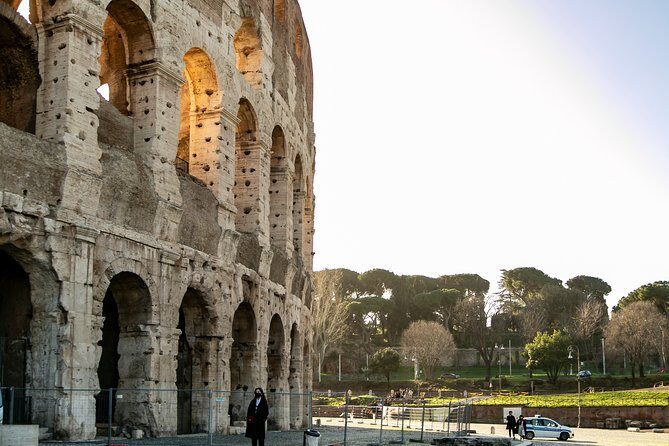
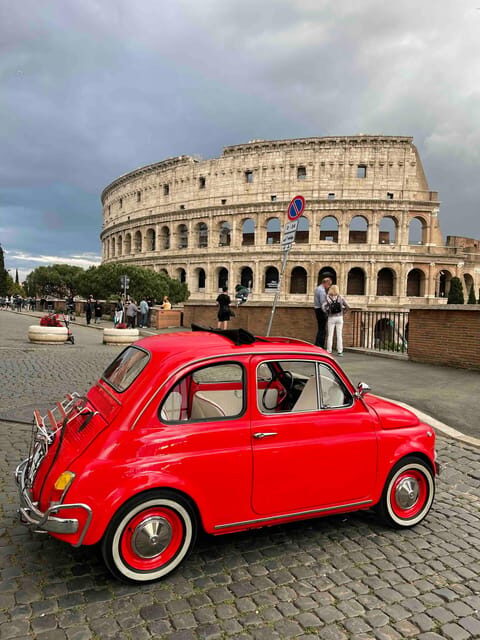
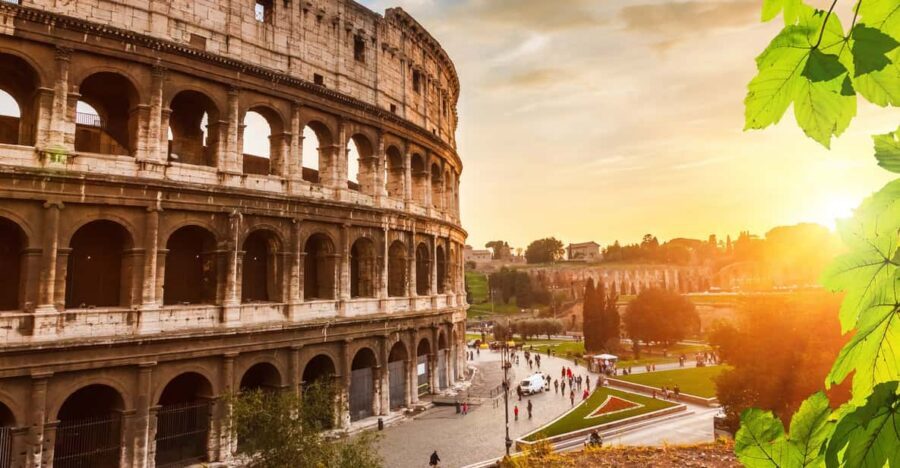
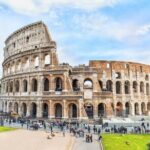
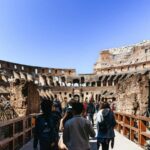
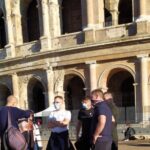
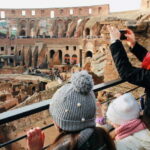
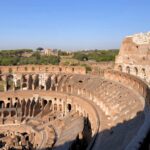
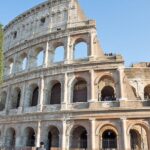
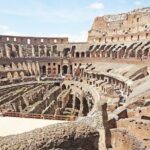
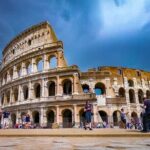
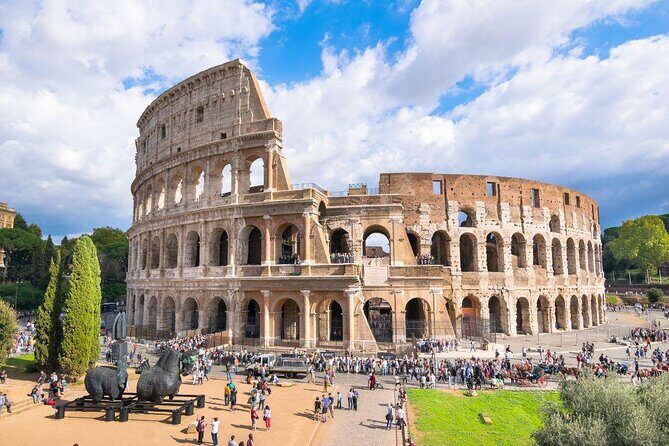
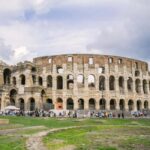
Your tour kicks off at the Colosseum with an entry that includes the arena interior, not just outer views. That’s a big deal because the Colosseum is designed so you can feel the scale of spectacle. Standing inside the structure helps your brain imagine how events would have looked from different sections.
The time you’re given is about 1 hour at the Colosseum. You’ll walk through the space with your guide and get context for what took place there, then move on while the energy is still high. Starting early also helps with crowds, and it gives you the right mental “anchor” for the rest of the day.
One practical note: if you’re sensitive to standing in lines for security, the tour structure helps most of that by handling key ticket parts ahead of time—but you still need to be ready for checks at major sites.
Roman Forum Power Walk: Arches, Temples, and Political Rome
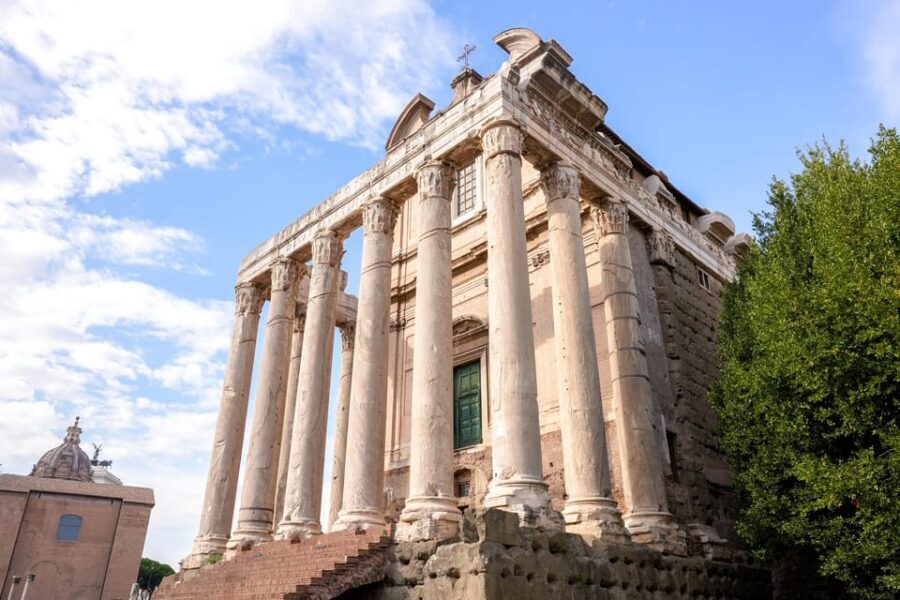
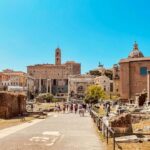
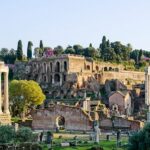
After the Colosseum, you head to the Roman Forum area for about 1 hour. This is where Rome turns from “cool ruins” into “how government and religion worked.” You’ll see the Arch of Constantine and then key Forum landmarks such as the Arch of Titus, the House of the Vestal Virgins, the Temple of Saturn, the Senate House, and the Arch of Septimius Severus.
This part is especially valuable if you like cause-and-effect history. The Forum wasn’t just a bunch of stones; it was the central square where public life ran. With a guide, you’ll get the “who did what here” thread, which makes the layout feel logical instead of confusing.
You’ll also get a reminder that Rome wasn’t only ancient. The tour later moves into modern monuments, so this Forum stop acts like your baseline—your way to compare what changed and what stayed.
Capitoline Hill and Vittoriano: The City Rebuilds Its Identity
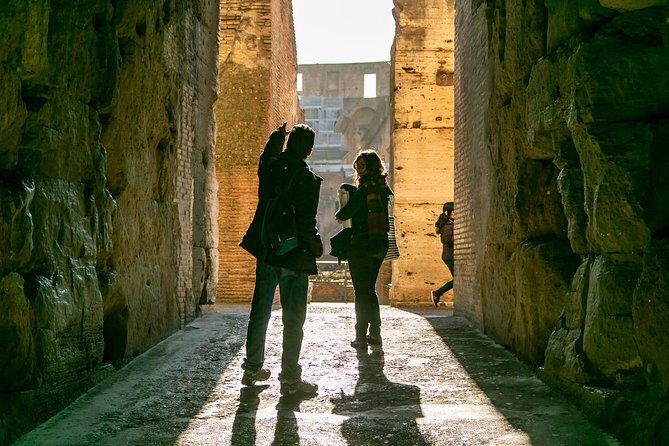
Once you finish the Forum, the route goes toward Capitoline Hill and the Vittoriano on Piazza Venezia. This is one of the “hidden in plain sight” transitions on many Rome days: you go from the Roman world to a modern monument designed to project national pride.
The Vittoriano is a visual reset button. Even if you’re not a statues-and-columns person, it helps you understand how Italians frame their own identity through architecture. It’s also a good moment to grab a breath before the day starts layering in more stops.
Trevi Fountain Stop: The Coin Toss Is the Easy Part
Trevi Fountain gets about 30 minutes. Yes, it’s famous, and yes, films made it a star. But the real value here is that the guide connects it to the broader Rome theme: legends, public art, and how the city turns storytelling into something you can walk to.
The practical part is timing. With a planned stop, you can enjoy photos and the fountain’s surroundings without losing your place in the day. Throwing a coin is optional, but the legibility is great: you’ll understand the legend and the why behind the ritual.
If you come during peak hours, you might find it crowded. With a guide, you’re less likely to waste time repositioning yourself for a decent look.
More Rome in a Day tours for the Colosseum & Ancient Rome
Lunch Break in the Government District Area (Own Expense, Built-In)
Next comes a lunch break (own expense) for roughly the time you need to eat and reset. The tour gives you flexibility: you can choose pizza, a sandwich, or a nicer meal depending on your mood.
Then you move into the Government District for about 30 minutes, with sights like the Parliament Building, the Palace of the Council of Ministers, and the Column of Marcus Aurelius. The Temple of Hadrian is nearby, so you get a strong “Roman craftsmanship meets later Rome” connection right before the Pantheon area.
This chunk is useful if you want more than Rome’s postcard route. It shows how modern power sits next to the memory of older power.
Pantheon: Raphael’s Tomb and the Geometry Everyone Talks About
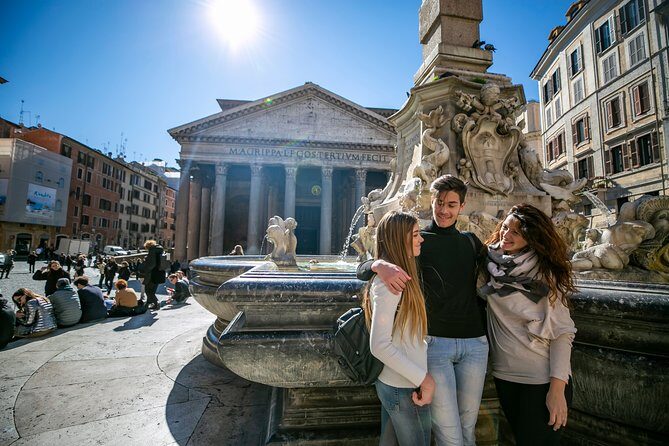
The Pantheon is next, with about 30 minutes. You’ll see it in a quick, structured visit rather than a long free-roam. The guide also points out the tomb of Raphael, which adds a layer that many quick visits miss.
Time here is short by design. The Pantheon is too important to skip, but the tour needs to keep moving toward Piazza Navona and the Vatican. If you want more than one angle, you’ll likely do it on your own after the tour—since you’ll already know where you want to stand.
A practical expectation: the Pantheon is a working religious and historic site, so you’ll need to follow dress expectations.
Ancient Baths of Nero and Piazza Navona’s Bernini Fountain
From the Temple of Hadrian route, the tour continues along a path by the Ancient Baths of Nero, then heads to Piazza Navona for about 30 minutes. Piazza Navona is one of Rome’s best stages because it looks like a theater—long sightlines, famous fountains, and constant street life.
The big visual pay-off is Bernini’s Fountain of the Four Rivers at the center of the square. Even if you only have a half hour, the guide’s explanations help you notice details that are easy to miss on your own.
This is also a nice moment to recalibrate your energy before the Vatican. You’ll likely feel the distance from stop to stop in your legs, so don’t treat this as just another photo break.
Vatican Museums Strategy: Raphael Rooms, Sistine Chapel Ceiling, and More
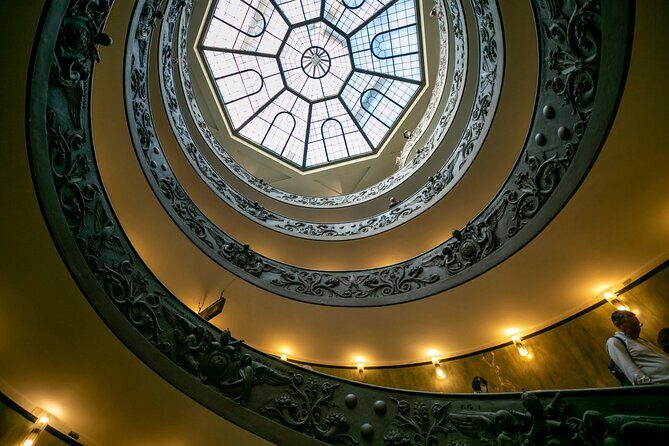
Now we cross into the Vatican Museums for a final cluster of highlights that totals around 30 minutes as scheduled. You’ll see major works and areas such as the Raphael Rooms and Michelangelo’s frescoes that culminate in the Sistine Chapel.
The Vatican portion depends on real-world conditions. This tour explicitly warns that some areas might close last minute due to pope-related mass events. When that happens, your guide provides a substitute focus inside the Vatican Museums, aiming to protect your time and keep the tour coherent.
This is one of the most reassuring details in the entire itinerary. Rome can shift day-to-day, and the worst plan is the one that collapses if one entrance or section gets shut.
Also, you’ll get help with the “what to look for” layer. Guides like Thomas and Donato are known for turning big art moments into understandable stories, so you don’t just stare at ceiling paintings while your brain waits for context.
Sistine Chapel Timing: Quiet Rules, Big Impact
The Sistine Chapel visit is wrapped into the museum time, with guidance that includes the ceiling works and Raphael’s frescoes. Your tour guide should also prepare you for the key rule environment—talking restrictions are common in this space, so you’ll want to be mentally ready for a quieter stretch.
If you’ve only ever seen images online, this stop can feel like a reset. You suddenly understand why people build their trip schedules around this ceiling.
St. Peter’s Basilica: Pietà, Side Chapels, and the Signed Work Detail
After the museums and Sistine Chapel, you finish at St. Peter’s Basilica at the end point of the day, ending around St. Peter’s Square. The Basilica stop is about 30 minutes in the itinerary, with time to explore side chapels and hidden crypts.
You’ll see Michelangelo’s Pietà, and your guide will explain why it’s the only work he signed. The guide also talks about Bernini’s altarpiece and how Michelangelo triumphed over contemporaries for the honor to paint the dome.
This is the part where “short visit” can still feel satisfying because your guide filters what matters most in that time window. Without that, it’s easy to wander, stare at marble, and come out having no clear takeaways.
Price and Value: What $663.75 Buys You in Real Life
At $663.75 per person for a private 6–7 hour day, this is not a budget tour. The value is in reducing risk and friction in places where lines, timing, and entry conditions can ruin a day.
Here’s what you’re paying for, based on what’s included:
- Skip-the-Line Vatican tickets (big time savings)
- Skip-the-line Pantheon entrance ticket
- Colosseum admission and reservation fee (ticket and reservation handling)
- A professional art historian guide
For first-timers, that ticket-handling matters because it changes your experience from waiting to watching. You also get a guide who ties the sites together, not just separate stops.
If you’re the type who likes to roam slowly and you already know you’ll do the Vatican with no rush, you might question the cost. But if you only have one day, want the big hits, and don’t want your plan to unravel, this price starts to make sense fast.
Dress Code, IDs, and Other Entry Rules That Can Stop Your Day
This tour requires a dress code for places of worship and select museums: no shorts, and no sleeveless tops. Knees and shoulders must be covered for men and women. If you ignore it, you can be refused entry—so plan outfits that follow the rule without suffering.
You also must provide full names for all travelers when booking, and the names must match your voucher and your ID/passport. At the Colosseum and Roman Forum, mismatch risk can mean denied entry.
The tour uses a mobile ticket, and it’s confirmed at booking time. You’ll still want to bring your ID anyway, because Rome is strict about names and documents at major historic sites.
Physical Stamina and What Your Feet Will Notice
The tour asks for moderate physical fitness. That’s fair: it’s walking between major sites, with security checks and stairs inside some buildings.
In real terms, the walking can add up fast. People have tracked 18,000 to 27,300 steps on similar versions of this same day plan. If you’re traveling with kids or older adults, comfortable shoes are non-negotiable.
The good news: many guides plan for breaks. You’ll often get rest pauses, time for water, and help with finding good moments to recover during the route.
Which Type of Traveler Should Book This?
This tour fits best if you:
- Have one day and want a strong hit list without repeating major sights later
- Prefer a private guide who answers questions and adjusts pace
- Want both archaeology and art in the same day (Forum/Colosseum plus Museums/Sistine/ basilica)
- Hate the idea of losing hours to lines and want the tickets handled
It may be less ideal if you:
- Want a slow, lounge-on-cafés day
- Struggle with long walks and stairs
- Are uncomfortable with strict dress code expectations
Should You Book This Best of Rome in a Day Private Tour?
Yes—if your priority is “I want the big Rome day done well.” The blend of Colosseum + Forum, then Pantheon and Piazza Navona, then the Vatican Museums and St. Peter’s Basilica is the kind of route that works when time is tight and you want clarity.
I’d book it especially if you’re excited to get context, not just snapshots. A strong guide makes the difference between looking at famous buildings and actually understanding what you’re seeing.
One final check before you commit: if the pope’s schedule or mass events affect access in the Vatican, this tour is designed to adapt inside the museums. Still, you should plan your day with the mindset that Rome can shift—your guide’s job is to protect your experience within that reality.
FAQ
What’s included with the Best of Rome in a Day tour?
It includes a professional art historian guide, skip-the-line Vatican tickets, skip-the-line Pantheon entrance, Colosseum entrance ticket, and the Colosseum reservation fee.
How long is the private tour and how far do you walk?
The duration is about 6 to 7 hours. It’s a walking tour that covers multiple major sites across central Rome and the Vatican area.
Are tickets included for all the major sights?
Admission tickets are included for the Colosseum, the Vatican (skip-the-line), and the Pantheon (skip-the-line). The itinerary also includes visits to the Roman Forum area and other stops, with key ticket handling covered as described.
What should I wear for the Vatican and other worship sites?
A dress code is required: no shorts or sleeveless tops. Knees and shoulders must be covered for both men and women.
What happens if parts of the Vatican close last minute?
Because of pope-related activity and mass events, some areas might close last minute. If that happens, your guide provides an alternative focusing on the Vatican Museums.
Is lunch included in the price?
Lunch is not included. There’s a stop for lunch (own expense) so you can choose what you want to eat.