REVIEW · ROME
Audio Guided Tour of Colosseum, Forum, Palatine
Book on Viator →Operated by Rome Vatican City · Bookable on Viator
One stop changes how fast you see Rome. This Colosseum visit is built for time-savers: you get skip-the-line entry plus audio guidance that helps you pace yourself across three of the most famous ruins in the city. The day feels efficient without turning rushed.
I especially like that you get a strong arc in one go. You start in the Colosseum, then move to Palatine Hill for the emperor-area views, and finish at the Roman Forum where the political and religious heart of Rome comes into focus. One drawback to plan around: because it’s self-guided with an audio device, you may run into moments when the audio doesn’t load smoothly or cuts out.
The tour runs about 3 hours and is capped at 20 people, which keeps the experience calmer than the bigger group tours. Just keep in mind that security checks are part of the deal and can slow the transition between areas.
In This Review
- Key things to know before you go
- Skip-the-line at the Colosseum: what you’re really paying for
- Where to meet by the Arch of Constantine
- The Colosseum entry: starting strong with real orientation
- Audio guide inside the Colosseum: great when it works
- Palatine Hill: the view plus the palace ruins feeling
- Roman Forum: where Rome’s daily business happened
- Time pacing: 3 hours sounds short, but it’s the right shape
- WhatsApp support and a possible Castel Sant Angelo timing
- What’s included, and what to bring so the day feels smooth
- Weather, Jubilee restoration, and why flexibility matters
- Who this tour is best for
- Should you book this Colosseum, Forum, and Palatine experience?
- FAQ
- How long is the Colosseum, Forum, and Palatine audio tour?
- Where does the tour start?
- Is the Colosseum entry skip-the-line?
- Is an audio guide included?
- What sites are included in the visit?
- How large is the group?
- What happens if monuments are under restoration or the weather is bad?
Key things to know before you go
- Skip-the-line timing helps you avoid the longest queues at the start of the day
- Audio guide format lets you move at your own speed inside major sites
- Three “power stops” in one route: Colosseum → Palatine Hill → Roman Forum
- Small group limit (max 20) makes it easier to find your place and stay oriented
- WhatsApp support can help with questions, including coordinating time for Castel Sant Angelo
- Jubilee/restoration notices may change access or routes at some monuments
Skip-the-line at the Colosseum: what you’re really paying for
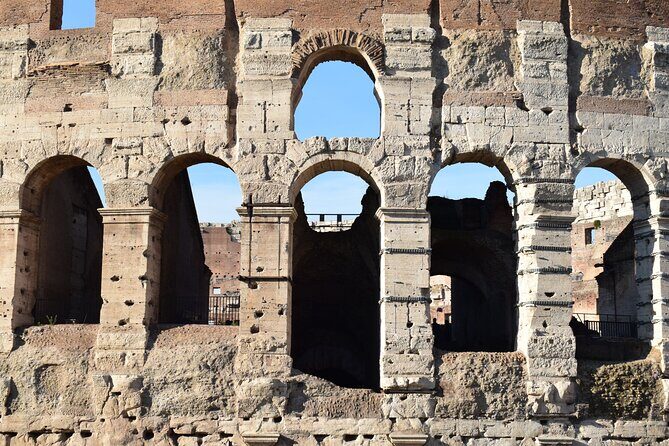
Paying for a ticket like this is mostly about buying yourself less standing still. At the Colosseum, queues can be brutal, and every minute you save is a minute you get to actually look at the arches, gates, and levels instead of watching people shuffle forward.
This package also makes sense if you want more than one site without stitching together separate tickets and timing yourself. You’re not just doing one postcard stop. You’re also getting access to the surrounding “ancient core” areas—Palatine Hill and the Roman Forum—so the visit feels like one connected story rather than three separate entrances.
One more value point: audio guidance. You’re not stuck reading signs only, and you’re not dependent on a live group schedule to hear context. That matters when you want time to pause for photos or to slow down if a section catches your eye.
More Colosseum, Forum & Palatine combos for the Colosseum & Ancient Rome
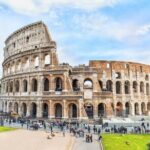
Where to meet by the Arch of Constantine
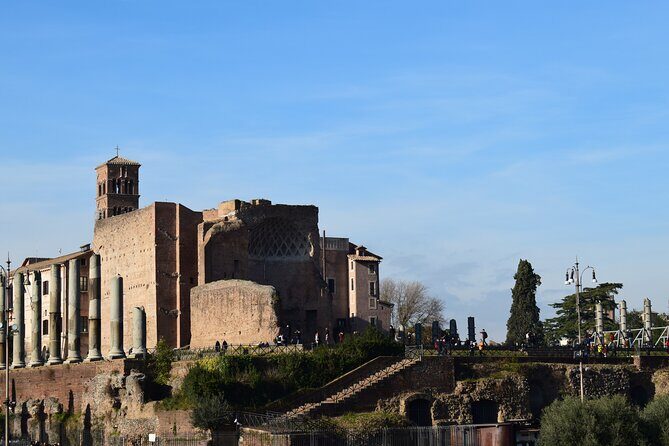
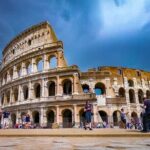
Your meeting point is at the Arch of Constantine (Piazza del Colosseo, 00184 Roma). This is a smart start because it’s right in the Colosseum zone, and you’ll usually find it straightforward to reach via public transport.
The session ends back at the meeting point, so you’re not left trying to connect your day to a different pickup location. That’s a small detail, but it makes planning easier, especially if you have dinner reservations later.
Also note the group size: up to 20 people. In real terms, it means you’re less likely to get lost in a crowd of dozens, and it’s easier to follow what’s happening even when you’re doing this self-guided with audio.
The Colosseum entry: starting strong with real orientation
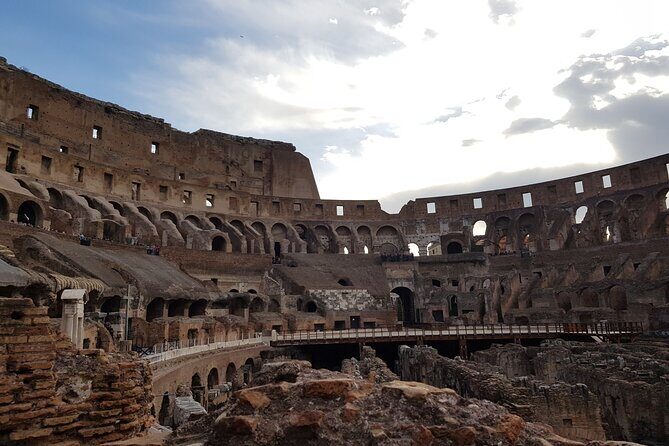
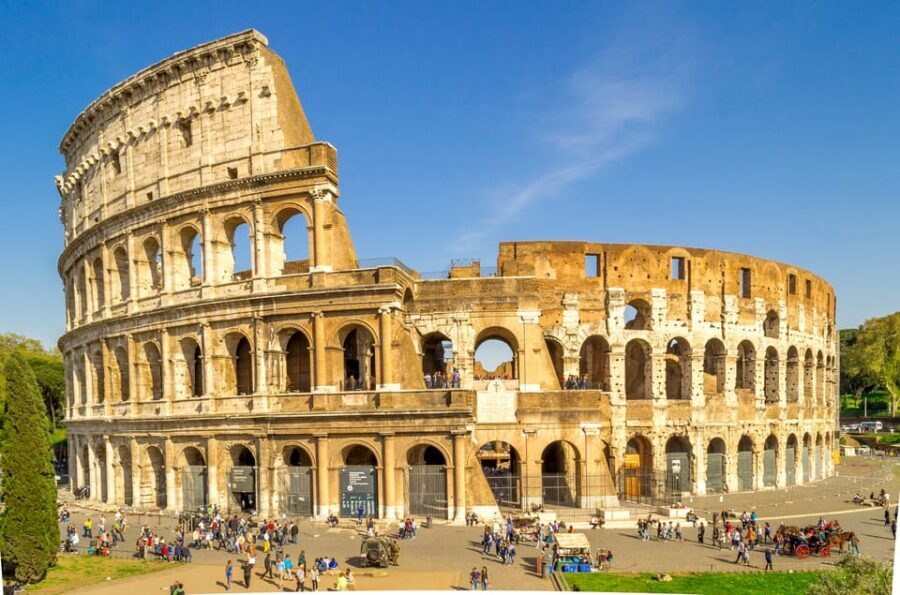
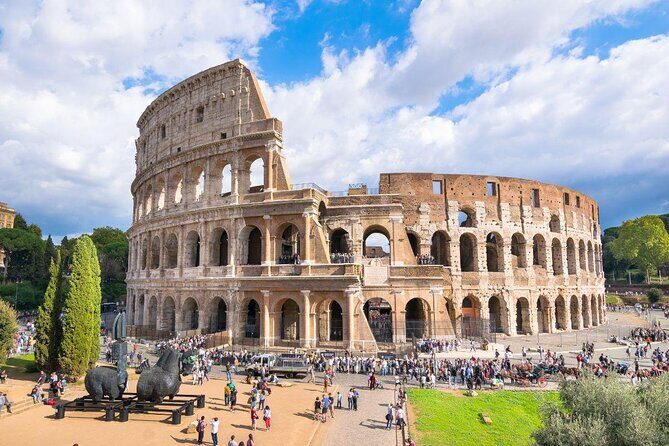
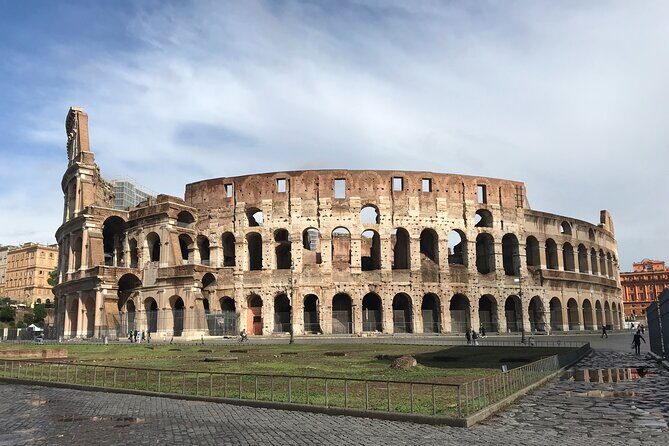
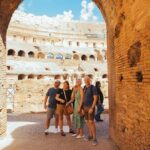
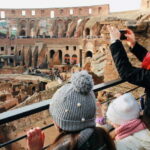
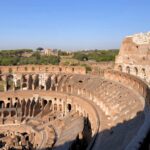
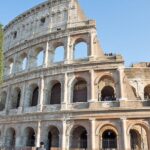
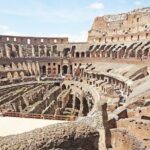
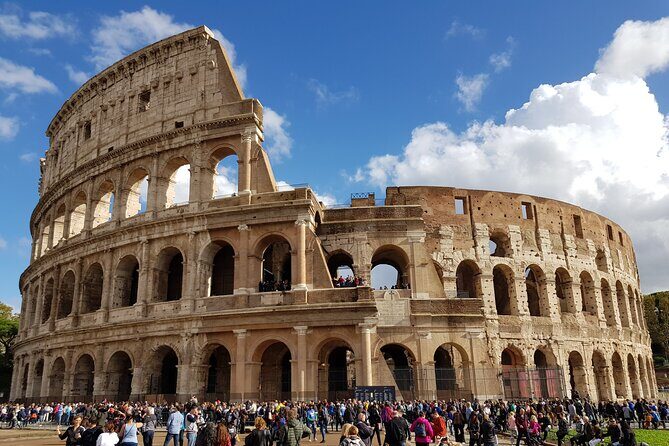
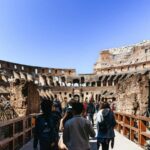
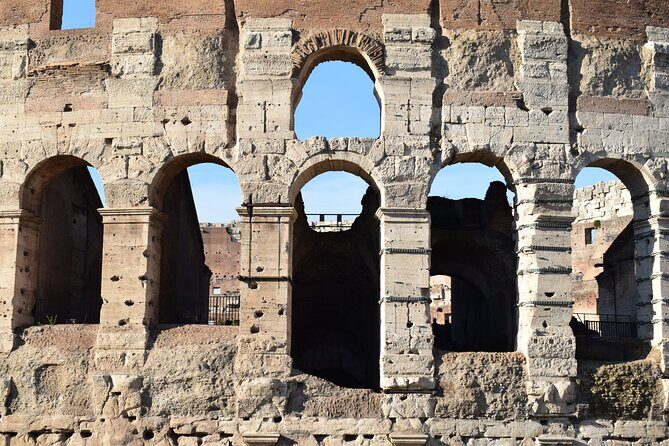
Your route begins at the Colosseum, with a dedicated time window that focuses on getting you into the building efficiently. Once inside, the experience is what you’d hope for: a huge indoor feeling of scale, with stonework everywhere and enough architectural detail that your brain has to keep re-mapping where you are.
Here’s what I think the skip-the-line part really changes: it gives you time to get your bearings before the crowds fully spread. If you enter early enough, you’ll notice features more clearly—archways, corridor angles, and the way the space funnels people through different levels.
The visit here lasts about an hour. That’s not a long time, but it’s realistic because you’ll want to move, look up, and then slow down in the most important viewpoint areas. The audio guide helps you pace it, so you don’t feel like you’re wandering with no clue what you’re seeing.
Practical tip: wear shoes you trust. Even if you feel “moderately fit,” the Colosseum area is uneven in places and you’ll be walking more than you think while turning around for views.
Audio guide inside the Colosseum: great when it works
The audio guide is one of the strongest reasons this format works. You can stop, start, and move at your own speed instead of keeping pace with a live group. When the audio is functioning, it turns the ruins into a guided walk without the pressure of a human schedule.
One review flagged an audio issue: the commentary wouldn’t load or would cut out, requiring frequent reloads. That’s not universal, but it’s a good heads-up. If your device is low on battery, start charging earlier. Also consider keeping your screen brightness steady and avoiding power-saver modes that can disrupt playback.
Even if audio fails for a few minutes, you’re still in the Colosseum. You’ll still get the big-picture wow moment. But the audio is what adds the “why” behind what you’re looking at, so it’s worth keeping your device ready.
Palatine Hill: the view plus the palace ruins feeling
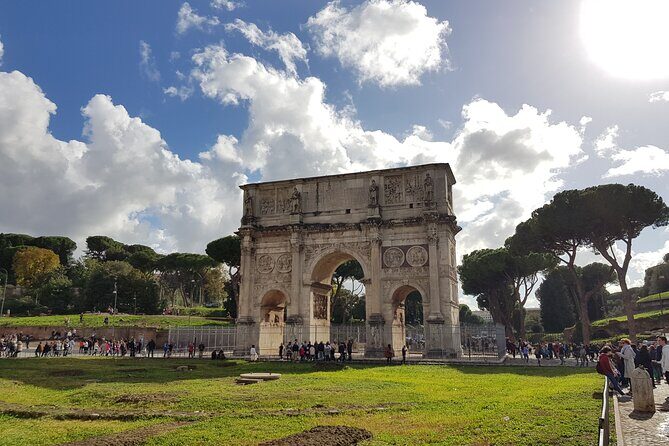
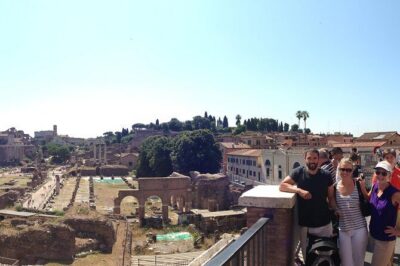
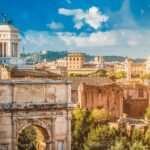
After the Colosseum, the route moves to Palatine Hill, about another hour. This is a favorite stop because it feels less like an arena and more like a power neighborhood. The hill overlooks Rome, and it’s easy to understand why emperors and the elite would want to be up here.
In your walk, you’ll pass through ruins that suggest once-opulent palace spaces and gardens. You’re not just looking at stones—you’re reading the layout of a place that once held private life and official life side by side.
The panoramic angle is the payoff. From higher points on Palatine, the city spreads out behind you. That’s where your brain connects the ancient remains to the modern streets below.
One consideration: transitions between sites involve security checks that can take time. Also, skip-the-line advantages don’t always transfer in the exact same way from one monument to the next. So if you’re hoping to sprint through Palatine and the Forum like a highlight reel, build in patience and a flexible mindset.
More Palatine Hill tours for the Colosseum & Ancient Rome

Roman Forum: where Rome’s daily business happened
Your final main stop is the Roman Forum, again about an hour. This area sits between hills, and the ruins are scattered in a way that can look confusing if you don’t have context. That’s exactly why audio guidance helps. It gives you a sense of what each cluster of ruins represented—politics, religion, and the working rhythm of the empire.
I like the Forum best when I stop trying to memorize names and instead focus on function. Where did meetings happen? What did people do here? How did government and ceremony connect? The audio prompts help you think this way rather than just snapping photos at every broken column.
You’ll see temples, basilica-type spaces, and government buildings, but the magic is how quickly you start imagining the flow of crowds and announcements. It’s not just dramatic ruins. It’s the engine room of civic life.
And yes, this is a very weather-dependent area for comfort. If you hit Rome on a hot day, plan to slow down at shaded points and take water breaks even if snacks aren’t included.
Time pacing: 3 hours sounds short, but it’s the right shape
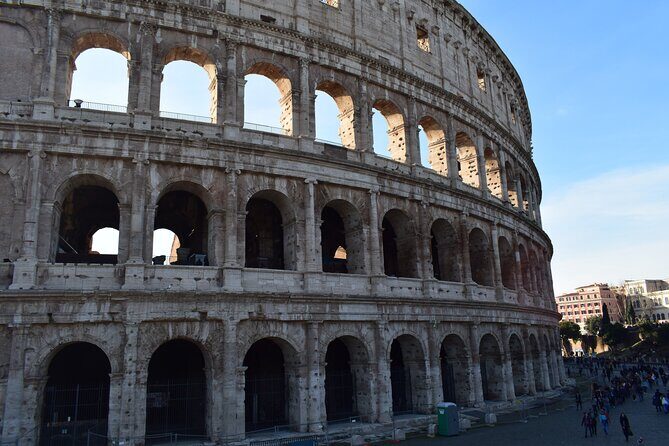
A three-hour window covers a lot of ground. The Colosseum is the heavy hitter, Palatine is the viewpoint-and-palaces stop, and the Forum is where context clicks.
If you’re the type who likes “see it, read a little, then see it again,” this pacing can work well. If you’re the type who wants to take your time reading every sign and taking long video walks, you might wish the visit were longer.
The small group size and audio format are your safety net. You can pause, move back a step if you missed a landmark explanation, and then continue without waiting for other people.
WhatsApp support and a possible Castel Sant Angelo timing
There’s also a support element built around messaging. One review mentioned a WhatsApp interaction where a host named Sathya handled an anxiety question with kindness and clarity. That’s the kind of human touch that makes a self-guided day feel less uncertain.
The information provided also notes that after your main visit, you can visit Castel Sant Angelo with flexible timing arranged through WhatsApp. Just keep your expectations practical: this part may be coordinated after your core Colosseum/Forum/Palatine time, so build it as a flexible add-on rather than something you assume will start immediately.
If you’re planning your afternoon tightly, message ahead so you’re not guessing on timing once you’re done at the Forum. When it’s going well, that kind of coordination can save you a lot of friction.
What’s included, and what to bring so the day feels smooth
This experience includes entry tickets, an audio guide, and a host. It also includes all fees and taxes. That’s a cleaner deal than many “ticket plus extras” options, where you end up paying again for basics.
What’s not included: snacks and a live guide. So I recommend you pack small essentials:
- Water (especially in warmer months)
- Sunscreen and a hat
- Your phone fully charged for audio playback
- Comfortable shoes you can walk in for at least a couple hours
Also, moderate physical fitness is required. That doesn’t mean you need to be an athlete, but you should be ready for uneven walking surfaces and standing time inside large historic areas.
Weather, Jubilee restoration, and why flexibility matters
Rome can be dramatic in weather. The experience requires good weather, and if it’s canceled due to poor conditions, you should be offered a different date or a full refund.
There’s another real factor: the Jubilee may lead to restoration work at some monuments. The guidance notes that some areas could be under restoration and that messages may be sent about potential changes. That matters because it can alter access patterns or route flow even if your ticket covers the main sites.
My advice: keep your schedule loose for the day, and watch for updates after booking. The best “ancient Rome” moments are the ones you didn’t plan perfectly.
Who this tour is best for
This is a strong match if you:
- Want skip-the-line help at the Colosseum and hate waiting
- Like self-guided walking with audio context instead of a live commentary
- Want a single ticket that covers Colosseum + Palatine Hill + Roman Forum
- Prefer a calmer group size (max 20) so you can move without constant crowding
It’s also fine for families and solo travelers who can handle moderate walking and security lines. If you’re someone who needs a live guide to answer questions on the spot, you may prefer a different tour style since this one is audio-based.
Should you book this Colosseum, Forum, and Palatine experience?
I think you should book it if your top priority is time, convenience, and a guided-feeling visit without being trapped in a rigid group pace. The value comes from the combination: tickets for three major sites, plus an audio guide, plus skip-the-line entry support at the start.
I’d book with one caution: if you’re very dependent on the audio working flawlessly, plan a backup mindset. The ruins themselves are enough for the wow factor, but the audio adds the context that makes the walk feel like it has a point.
If you want an efficient, well-structured ancient Rome route and you’re comfortable walking and managing your own pace, this is a practical way to do it.
FAQ
How long is the Colosseum, Forum, and Palatine audio tour?
The duration is approximately 3 hours.
Where does the tour start?
The meeting point is the Arch of Constantine, Piazza del Colosseo, 00184 Roma RM, Italy.
Is the Colosseum entry skip-the-line?
Yes. The experience offers skip-the-line tickets for the Colosseum.
Is an audio guide included?
Yes. An audio guide is included, along with a host.
What sites are included in the visit?
You get admission tickets for the Colosseum, Palatine Hill, and the Roman Forum.
How large is the group?
The tour has a maximum of 20 travelers.
What happens if monuments are under restoration or the weather is bad?
Due to Jubilee-related restoration, some monuments may be under restoration and messages may be sent about changes. The experience requires good weather; if it’s canceled due to poor weather, you’ll be offered a different date or a full refund.