REVIEW · ROME
Rome in a Day: Vatican & Colosseum Combined Guided Tour
Book on GetYourGuide →Operated by Gray Line I Love Rome · Bookable on GetYourGuide
One day, two Rome legends, one packed schedule. This small-group guided tour ties together the Vatican Museums, St. Peter’s Square, and the Colosseum area with wireless audio headsets to keep you on track. You’ll also get an English-speaking guide to translate what you’re looking at, not just point at it.
The main thing to keep in mind is the pace. Between security lines, crowds (especially in the Sistine Chapel), and tight guided time blocks, the day can feel rushed if you want lots of slow photo stops.
In This Review
- Key things to know before you go
- How the 9-hour route keeps Vatican morning tight and Colosseum afternoon moving
- Vatican Museums: why the guide matters more than you’d expect
- St. Peter’s Square: your payoff after the museum sprint
- Free time in Rome (about 100 minutes): how to use it well
- Colosseum: what a guided hour can (and can’t) do
- Roman Forum and Palatine Hill: where the ruins start making sense
- Price and logistics: does $251.49 feel worth it?
- Who this tour is best for (and who should rethink it)
- Practical tips that make the day smoother
- Should you book Rome in a Day: Vatican & Colosseum Combined Guided Tour?
- FAQ
- How long is the Rome in a Day Vatican & Colosseum tour?
- Where do I meet for the Vatican Museums portion?
- Where do I meet for the Colosseum portion?
- What’s included in the tour price?
- Is lunch included?
- Do I need a passport or ID?
- Is the tour wheelchair-friendly or suitable for back/heart problems?
Key things to know before you go
- Small group size (about 20 people) helps the tour feel less crowded and more manageable.
- Wireless audio headsets make it easier to hear the guide inside major ticketed areas.
- Two guided blocks (Vatican Museums + Colosseum/Forum/Palatine) give you structure across the day.
- Sistine Chapel crowd reality means you should expect to keep moving and watch your photo time.
- Religious closures during the Jubilee Year can affect what you can access inside the Vatican Museums.
- Long, concentrated walking means it’s not a great fit for people with back or heart issues.
How the 9-hour route keeps Vatican morning tight and Colosseum afternoon moving
This is built as a “Rome highlights, guided, in one day” format. You start at Piazza del Risorgimento (near the Ottaviano metro area), then shift gears from the Vatican to central Rome, and finally head to the Colosseum zone.
A big part of the value here is the way the schedule protects you from decision fatigue. You don’t have to figure out meeting points, ticketing, or when to pause for the best views. The trade-off is time. The tour locks in short guided windows at major sites, then gives you a chunk of free time to handle lunch on your own.
Think of it like this: the Vatican portion is the “art and meaning” stretch, and the Colosseum portion is the “power and urban life” stretch. If you like context—why a place matters—this tour does that well. If you want a slow wander with lots of unstructured breaks, you’ll need to plan around the fixed timing.
One more logistics note: the materials say both that roundtrip coach transport is part of the experience and that transportation isn’t included. That’s a real inconsistency. Before you book, I’d check exactly what your departure/return plan is and whether the coach is included on your specific departure date.
More Colosseum + Vatican combos for the Colosseum & Ancient Rome
Vatican Museums: why the guide matters more than you’d expect
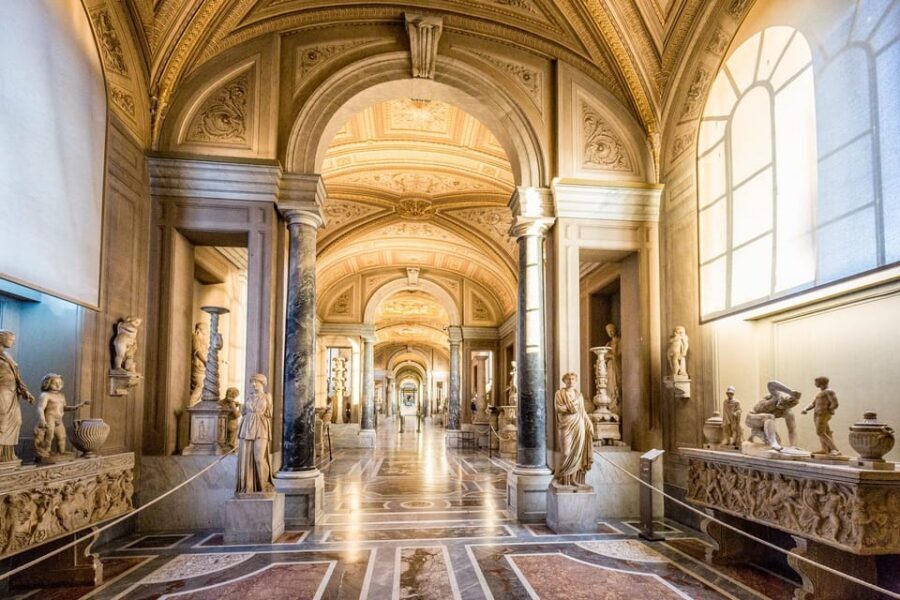
The Vatican Museums are a maze by nature. Even with a map, it’s easy to get lost in galleries that feel similar and lose the thread. Here, your guide leads you through the collection with a focused approach, including time for the Sistine Chapel and the sections you’re most likely to care about.
Your guided time in the Vatican Museums is listed as about 1 hour, so the strategy is not to see everything. Instead, you’re shown the key works and explained enough that the famous rooms land with impact. This is where the wireless headsets are genuinely useful—your guide can speak clearly while you keep moving with the group.
Now, the important caution: the Vatican is an active place of worship, and closures can happen without prior notice. On top of that, Jubilee Year religious ceremonies may make certain areas inaccessible. If access changes, you might still see a lot, but you should accept that the Vatican can’t be forced into a perfect itinerary.
Also, if the Sistine Chapel isn’t accessible for reasons beyond the tour’s control, the policy states that there’s no partial refund. That’s not a scare tactic; it’s just the reality of touring major religious and cultural sites.
St. Peter’s Square: your payoff after the museum sprint
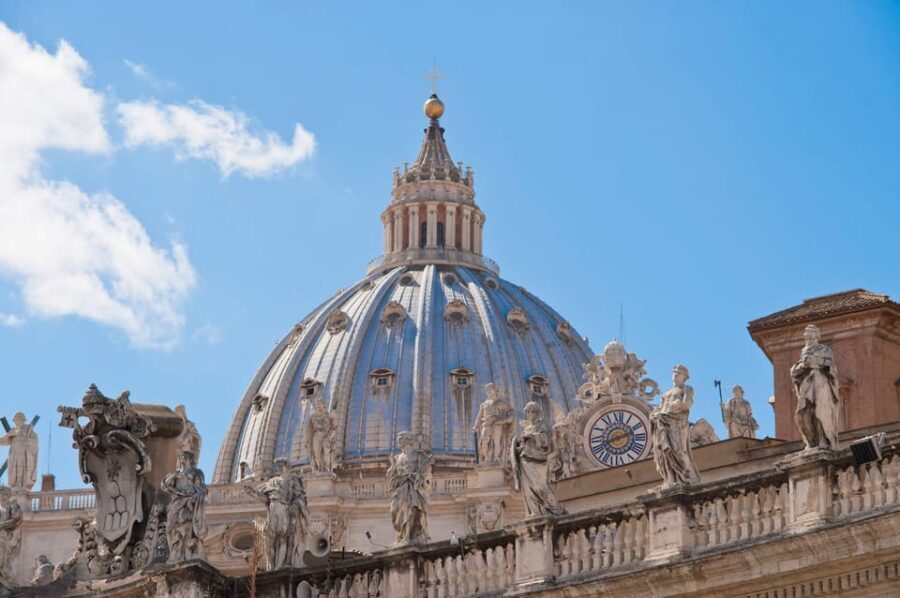
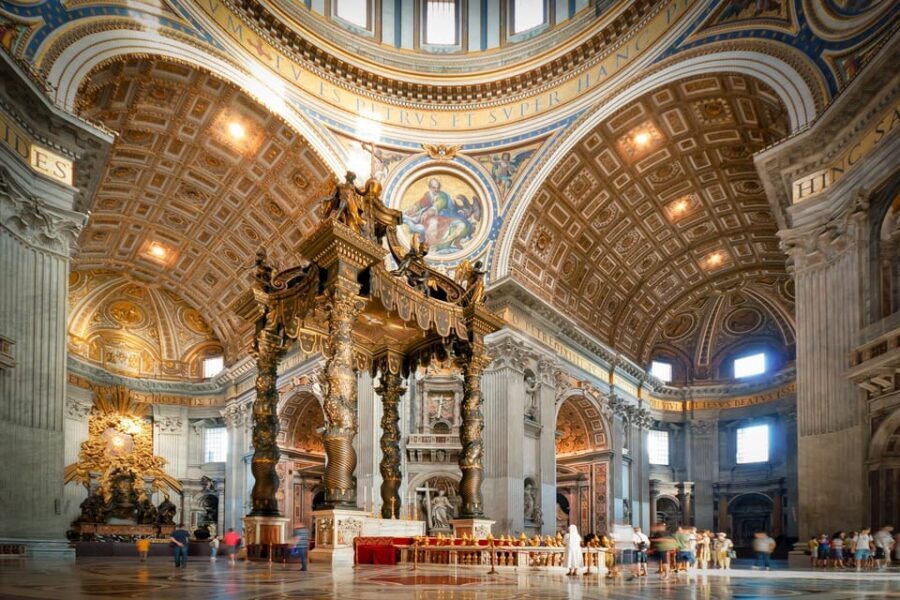
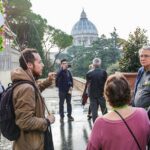
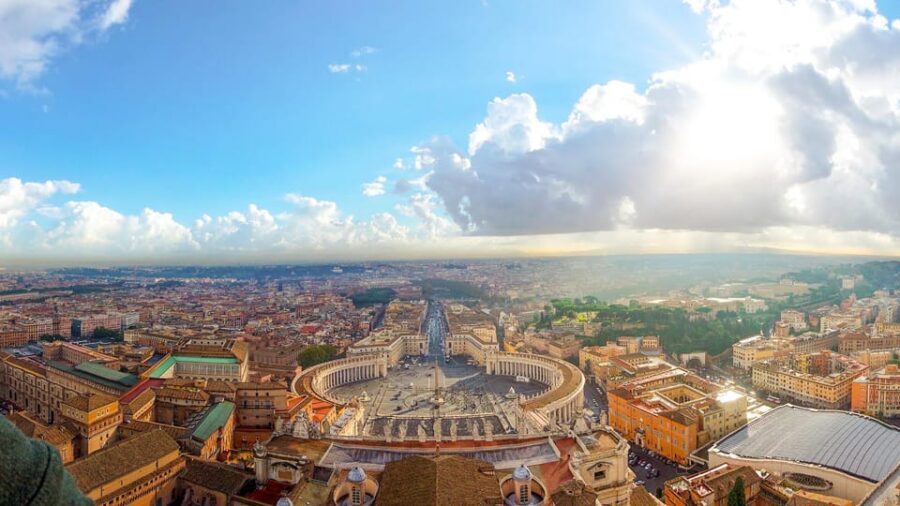
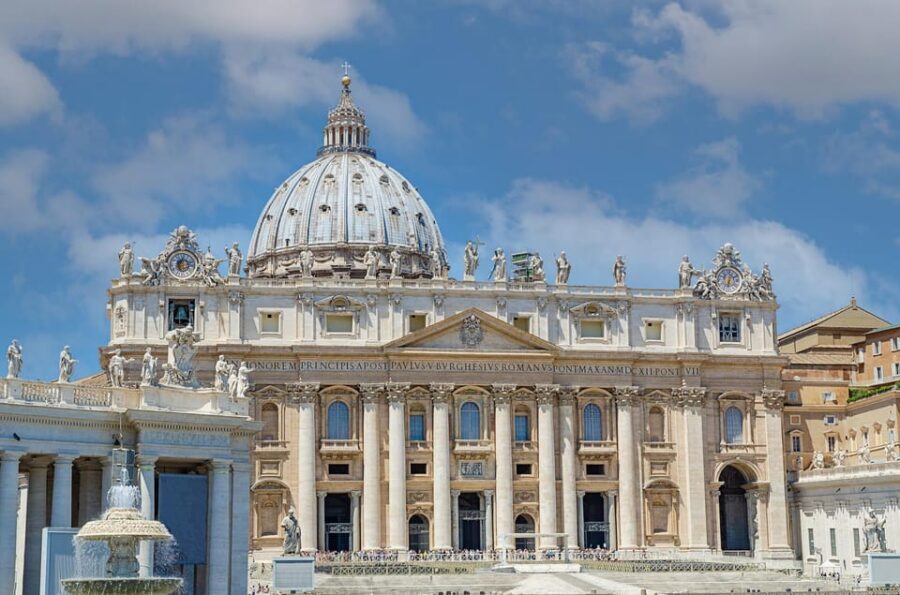
Right after the morning museum time, you’ll reach St. Peter’s Square as the visual capstone. This part is less about indoor crowd management and more about scale and sightlines. Even if you’re not a church superfan, the square tends to land because it’s designed for dramatic views from specific angles.
The tour includes guided time focused on what you’re seeing, and this often helps people notice the details they’d normally miss—like how the square works as a space, not just a backdrop. It’s also a helpful moment to reset your brain before the afternoon shift into ancient ruins.
Free time in Rome (about 100 minutes): how to use it well
After St. Peter’s Square, you get around 100 minutes of free time. Lunch is not included, and this is where you handle food and regrouping for the afternoon portion.
This is the make-or-break part for comfort. The guided schedule is tight, so your free time isn’t meant for a deep side trip. Instead, it’s designed so you can:
- grab something quick to eat,
- use a bathroom break before the afternoon walk,
- and get your bearings before you move to the Colosseum meeting point.
If you’re the type who always underestimates how long crowds and security take, treat this free time as buffer time, not leisure time. If you can eat in under an hour, you’ll come out ahead.
Colosseum: what a guided hour can (and can’t) do
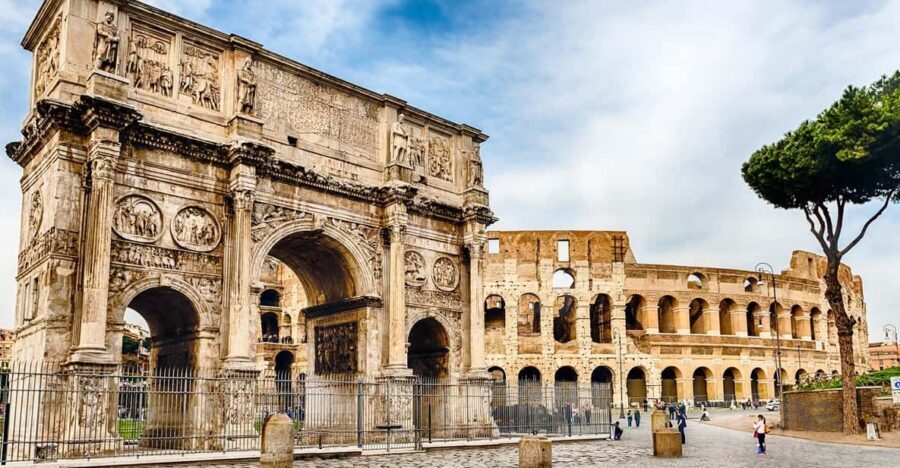
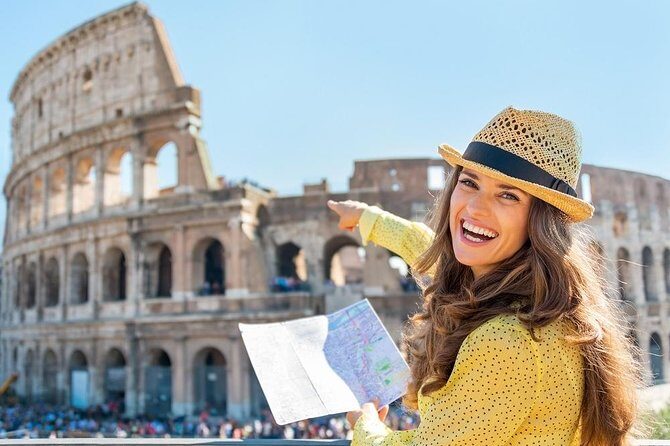
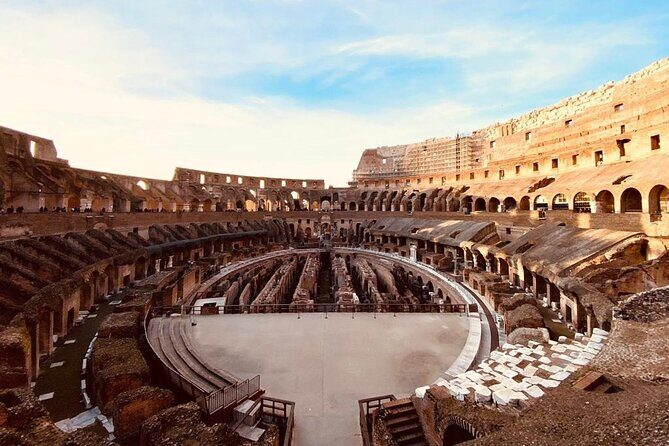
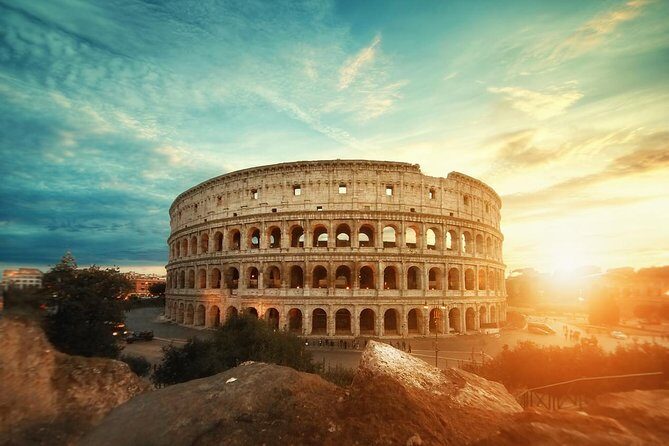
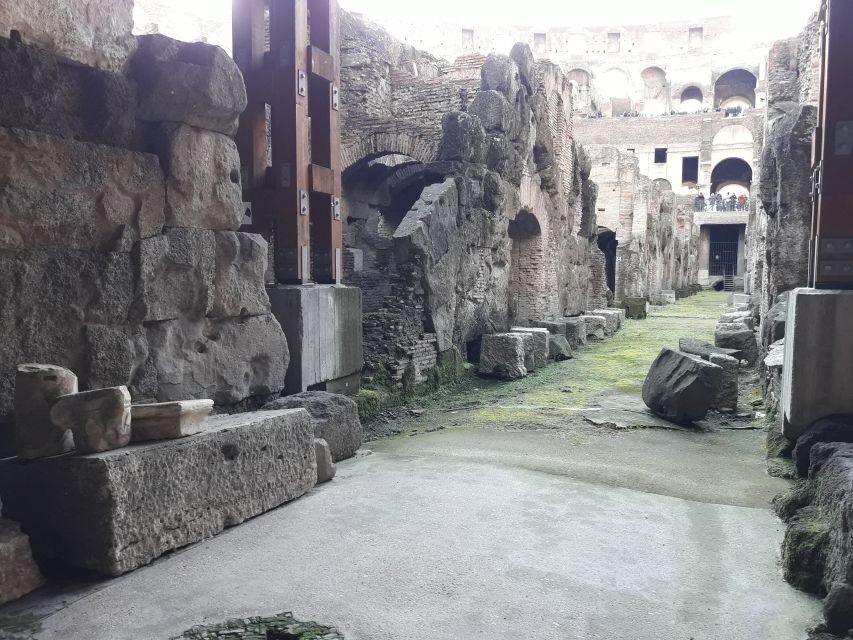
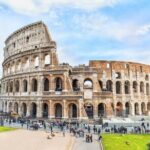
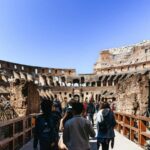
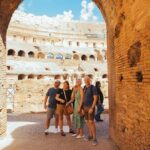
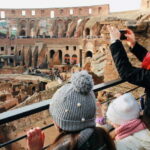
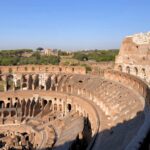
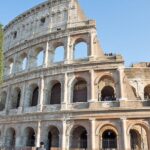
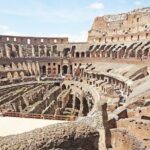
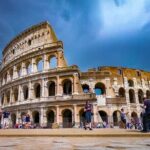
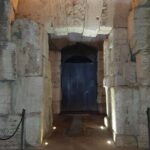
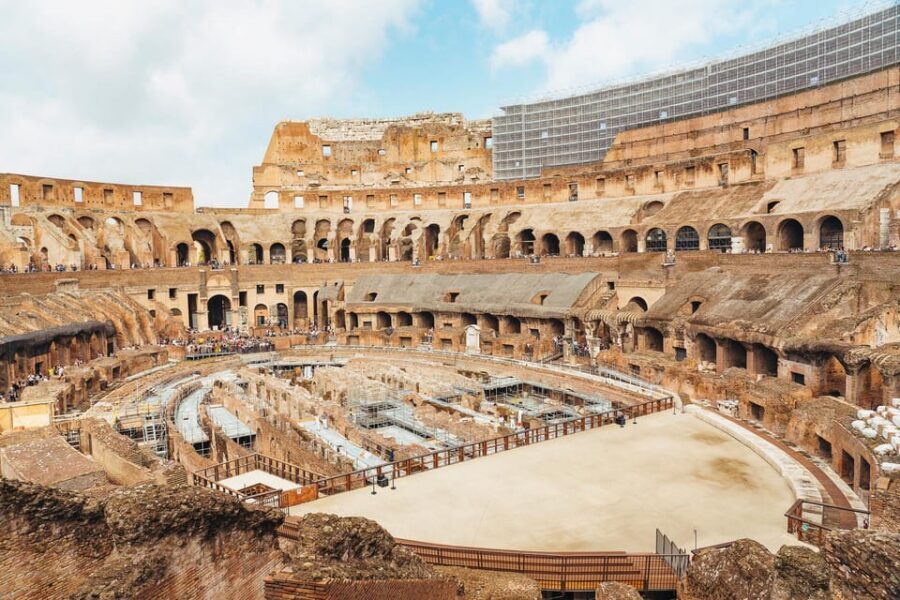
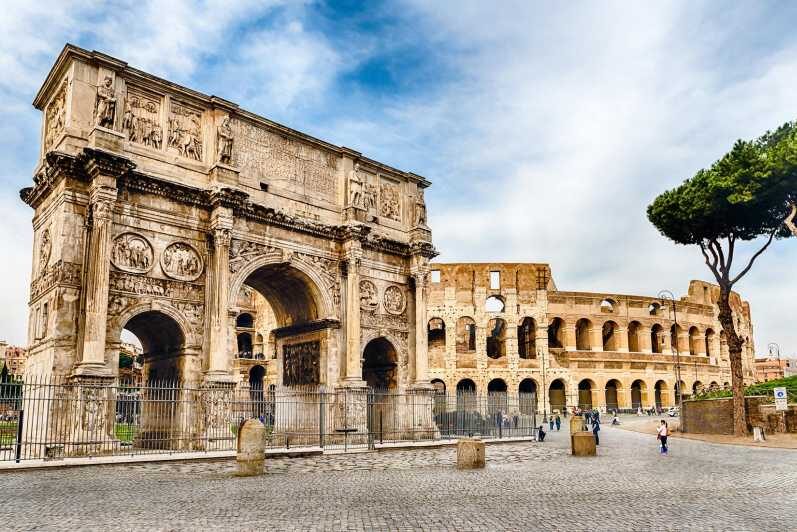
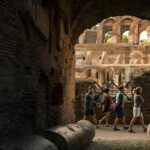
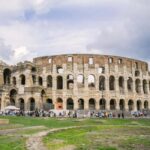
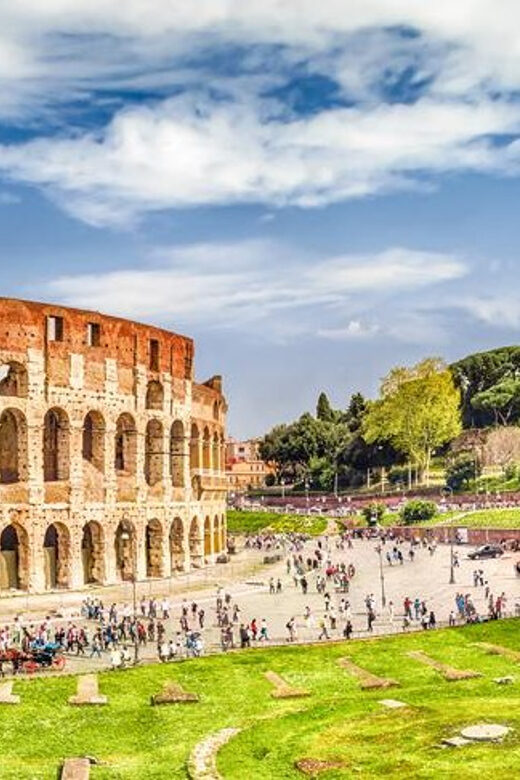
The Colosseum stop is also listed as about 1 hour of guided time. In that short window, the guide’s job is to connect what you’re looking at to what happened there—how the space worked, who it served, and why it still looks so powerful even in ruins.
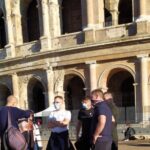
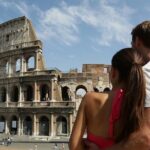
This is where timing matters. The Colosseum area can be busy, and there’s limited patience for holding the group in one spot while everyone frames the perfect shot. If you want lots of photos, you’ll likely get them—but not with unlimited time. Plan for quick picture moments and let the guide take you through the key areas first.
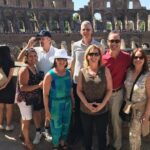
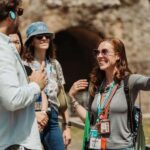
One detail from the experience that stood out: a guide named Emiliane was praised for the Colosseum portion. That’s a good sign for you, because it suggests the tour can be guided by someone who clearly knows how to translate the site into something you actually understand in real time.
A caution from real-world conditions: some people find the afternoon stretch tough in hot weather and with walking involved. If heat and long transfers wear you down, go into this tour with a survival plan—comfortable shoes and realistic expectations for breaks.
More Rome in a Day tours for the Colosseum & Ancient Rome
Roman Forum and Palatine Hill: where the ruins start making sense
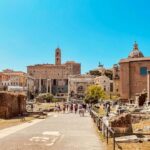
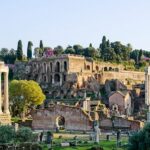
After the Colosseum, you go into the Roman Forum and then Palatine Hill, with guided time of about 1 hour each.
This is the part many people love more than they expect. The Forum can look like a collection of stone fragments if you see it without context. With a guide, you start to recognize how the space relates to daily power—public life, politics, religion, and spectacle all overlap here.
Palatine Hill adds another layer because it’s about vantage and the sense of “this is where people wanted to be.” Even if you don’t know the names at first, the guided explanations help you connect the hill’s views to the stories.
The challenge is that you’re in a concentrated block of walking and standing. It’s not a sit-down museum experience. If you’re someone who gets stiff easily, you’ll want to pace your energy during the Forum so you still enjoy Palatine instead of just enduring it.
Price and logistics: does $251.49 feel worth it?
At $251.49 per person for a 9-hour combined day, you’re paying for the whole package: an English-speaking professional guide, guided time inside the major sites, and wireless audio headsets. You’re also paying for the structure—someone else handles the flow, timing, and group management.
That value equation can work in your favor if:
- you don’t want to plan two separate full-day visits,
- you care about understanding what you see,
- and you prefer a small group rather than a large bus crowd.
But it may not be the best deal if your main goal is “I want maximum freedom.” The schedule is built around timed guided blocks. A portion of the day is intentionally not flexible, and the Vatican in particular can shift due to religious ceremonies or sudden closures.
Before you commit, I’d sanity-check two things:
- whether your departure date includes the coach transport you expect (the details conflict), and
- whether you’re okay with the possibility of limited Sistine access during special periods like the Jubilee Year.
If both answers are yes, the price can feel fair for what you get: two of Rome’s biggest icons handled in one day with less stress.
Who this tour is best for (and who should rethink it)
This is a strong match if you want a single-day, guided highlights tour with a small group and a guide who keeps you moving at a pace that works for these big-ticket sites.
It may be a poor match if you’re dealing with:
- back problems (listed as not suitable),
- heart problems (listed as not suitable),
- wheelchair users (listed as not suitable),
- anyone needing an easy, low-walking day.
If you have a pacemaker, you should bring the certificate mentioned in the information. And for everyone, follow the dress code and carry what you need—passport or ID card is required.
Also, plan around the security side of Rome. This kind of tour expects security delays. If you hate waiting, you’ll still have to do it. The good news is that you’re doing it with a schedule and a guide telling you what to do next, which reduces wasted time.
Practical tips that make the day smoother
I think the biggest mistake people make with a tour like this is treating it like a casual stroll. It’s not. It’s a timed program with major crowds in at least two places.
Bring:
- your passport or ID,
- and dress for security checks and indoor rules,
- and remember the “no bulky bags” guidance for the Colosseum area (oversize luggage and large bags aren’t allowed).
Set expectations:
- The Sistine Chapel can be packed, and the experience may feel like it moves you along quickly.
- St. Peter’s Square is your chance to slow down with big views, not your chance to stand around for long.
- Free time is meant for food and regrouping, not for a long detour.
And one more reality check: if you’re the type who wants long photo sessions at every stop, this tour may feel limiting. You’ll still see the sights and learn a lot, but you’ll need to be selective.
Should you book Rome in a Day: Vatican & Colosseum Combined Guided Tour?
Book it if you want one structured day that covers the Vatican Museums (including the Sistine Chapel), St. Peter’s Square, the Colosseum, the Roman Forum, and Palatine Hill—with a small group and wireless headsets. At this price, you’re essentially paying for convenience, guidance, and time saved.
I’d think twice if you:
- need a very slow itinerary,
- have mobility limits or medical concerns listed in the tour guidance,
- or are strongly dependent on Sistine Chapel access no matter what, since closures can happen and there’s no partial refund if it’s inaccessible for reasons beyond control.
If you’re flexible and you’re comfortable with a full, guided day in crowds, this tour is a practical way to experience two Rome giants without spending your trip glued to maps.
FAQ
How long is the Rome in a Day Vatican & Colosseum tour?
The tour duration is listed as 9 hours.
Where do I meet for the Vatican Museums portion?
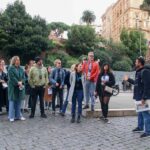
You meet at Piazza Risorgimento, at Bar – Caffetteria L’Ottagono, about 400 metres from the nearest Metro A stop (Ottaviano). Arrive 15 minutes early and look for the I Love Rome logo.
Where do I meet for the Colosseum portion?
You meet at Colle Oppio Park, Via delle Terme di Tito (corner of Via Nicola Salvi), inside the park. Arrive 15 minutes early and look for the I Love Rome logo.
What’s included in the tour price?
Included are a professional English-speaking guide, guided tours inside all attractions, and wireless audio headsets.
Is lunch included?
No. Lunch is not included, and there is a lunch break/free time during the day.
Do I need a passport or ID?
Yes. A passport or ID card is required.
Is the tour wheelchair-friendly or suitable for back/heart problems?
No. The information says it’s not suitable for wheelchair users and it’s not suitable for people with back problems or heart problems.