REVIEW · ROME
Full-day tour of Vatican Colosseum & Best of Rome by Tommaso
Book on Viator →Operated by Rome Tours by Tommaso · Bookable on Viator
Rome and the Vatican in one day: intense. This is a full-day highlights run that strings together Colosseum, Roman Forum, and the Vatican Museums all the way to St. Peter’s Square, with admission tickets handled for you. I like the way it bundles key entries and time inside major sites into one plan, but one watch-out is strict dress rules (and possible last-minute Vatican closures affecting what you can access).
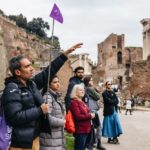
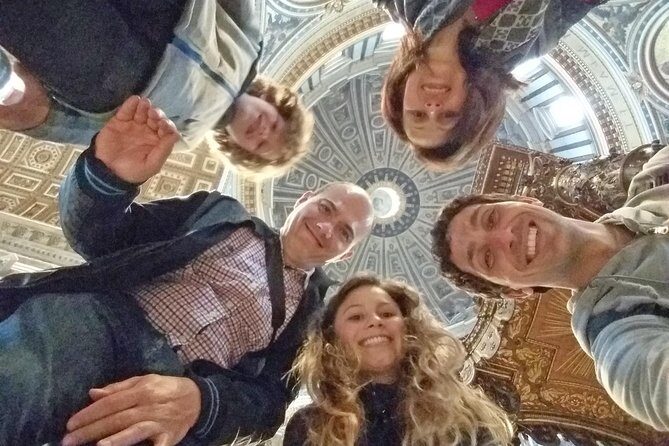
What I really liked is the feel of a private tour. Your guide, Tommaso (and on some dates you may meet other guides named Sara or Francesco), can answer questions and steer you through ancient Rome and Vatican art without turning it into a rushed cattle line.
You’ll start at 9:30am at Via dei Fori Imperiali and the tour runs about 6 hours, with the day ending back at the meeting point. It’s a lot of seeing packed into a single schedule, so plan to move at a steady pace.
In This Review
- Key highlights worth clocking
- A full-day Rome and Vatican plan that keeps the tickets simple
- Entering the Colosseum with arena-level time and real context
- Roman Forum and the Sacred Way: ruins with a purpose
- Pantheon, Trevi Fountain, and Piazza Navona—short, famous, and well timed
- Lunch on your own: the easiest way to stay happy later
- Vatican Museums: where your guide helps you choose the story
- Sistine Chapel: more than famous ceiling art
- St. Peter’s Square at the end of the day, plus Basilica access limits
- What you pay for: value beyond the headline ticket price
- Practical tips so you don’t lose time at the ticket desk
- Who this tour is best for (and who should skip it)
- Should you book this Vatican Colosseum & Best of Rome tour?
- FAQ
- What time does the tour start, and how long is it?
- Where do we meet, and where does the tour end?
- Is this tour private?
- What language is the tour offered in?
- What’s included in the price?
- Which sites include admission tickets, and what’s not included?
- Do I need to follow a dress code?
- What documents do I need for entry to the Colosseum and Roman Forum?
- Could parts of the Vatican be closed during the tour?
- Is the tour refundable if my plans change?
Key highlights worth clocking
- Colosseum entry with arena access plus a reservation fee built into the experience
- Professional art historian guide covering both ancient Rome and Vatican art
- Major stops in one day, including Roman Forum, Pantheon area, Trevi Fountain, and Piazza Navona
- Sistine Chapel context tied to how it’s used today, including the conclave
- St. Peter’s Square focus, with Basilica access limited due to Jubilee restrictions
- Backup plan inside the Vatican Museums if areas close last minute for papal activity
A full-day Rome and Vatican plan that keeps the tickets simple
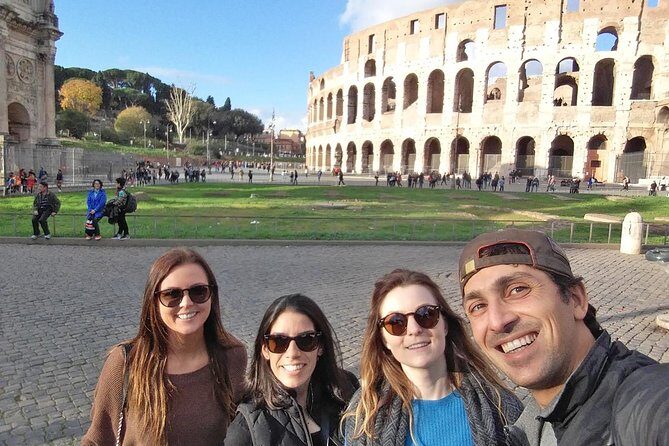
This tour is designed for travelers who want the headline sights without having to untangle ticket lines and logistics all on their own. You get a professional art historian guide, and the package includes admission tickets, so the day runs on a clear sequence: start ancient Rome, then pivot into the Vatican complex.
The “private tour” part matters. You’re not just waiting for your turn to look at things; you’re walking with someone who can explain what you’re seeing as you go. That’s especially useful in two places where people often feel lost: the Forum (where ruins can look similar) and the Vatican Museums (where there’s so much art that you can lose the thread).
One more practical point: this is a full schedule with site visits timed out. If you’re the type who needs lots of browsing and slow wandering, you might feel the pace. If you’re happy with a guided “see the best, learn the meaning” day, you’ll likely love it.
More Colosseum + Vatican combos for the Colosseum & Ancient Rome
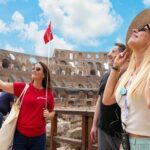
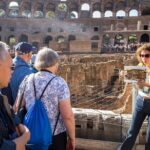
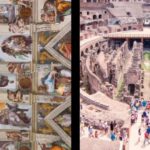
Entering the Colosseum with arena-level time and real context
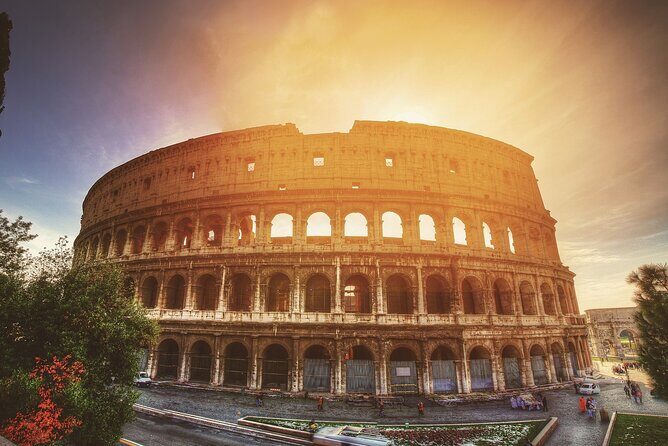
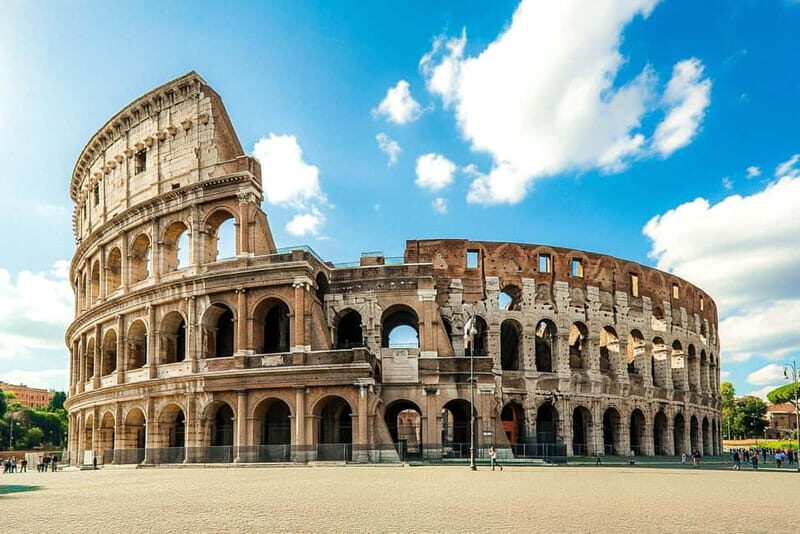
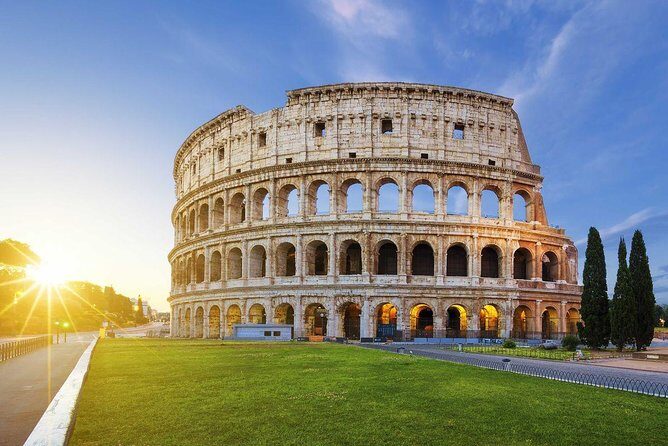
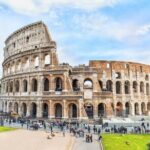
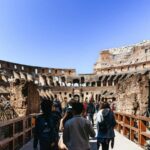
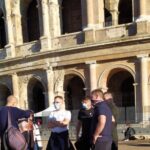
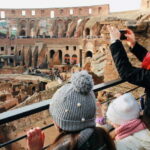
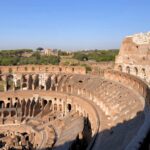
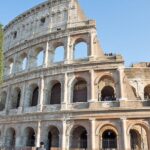
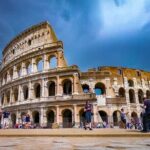
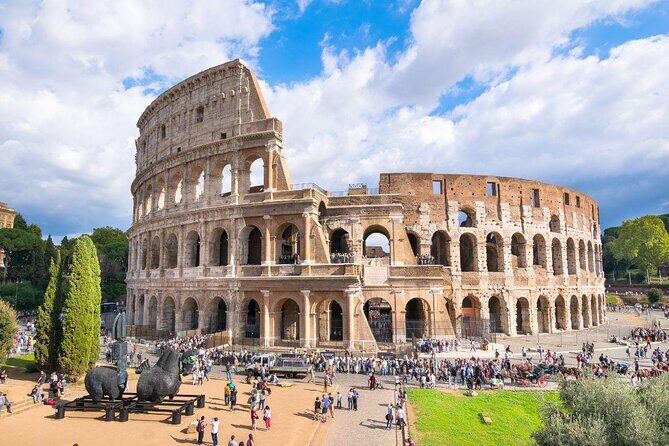
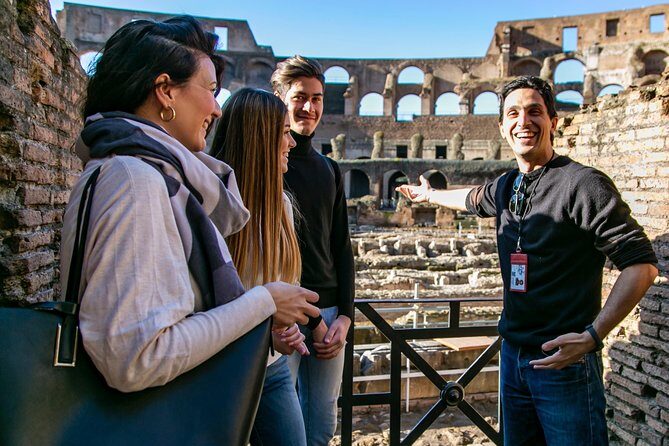
The day opens at the Colosseum, Rome’s giant amphitheater and one of the New 7 Wonders. You’ll spend about 1 hour there, including your admission ticket and what the price list indicates as arena access.
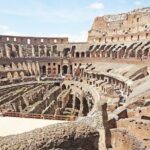
What makes this stop work well is the structure: you’re not just looking at the outside. You’re in the arena space where you can actually picture the scale of the ancient performances. Even if you’ve seen photos before, being there changes your sense of how audiences were arranged and how events played out inside the bowl.
Here’s how to get the most out of your time. Keep your eyes moving in three directions: the arena floor, the seating tiers, and the sightlines toward where the action would have been. Your guide’s job is to connect those views to the story behind the arena—Rome’s appetite for public entertainment, built into architecture.
The only real “consideration” is stamina. A site like the Colosseum isn’t physically small, and you’ll be walking again soon after. If you’re comfortable with steady steps and you don’t mind a dense itinerary, the Colosseum stop is a strong opener.
Roman Forum and the Sacred Way: ruins with a purpose
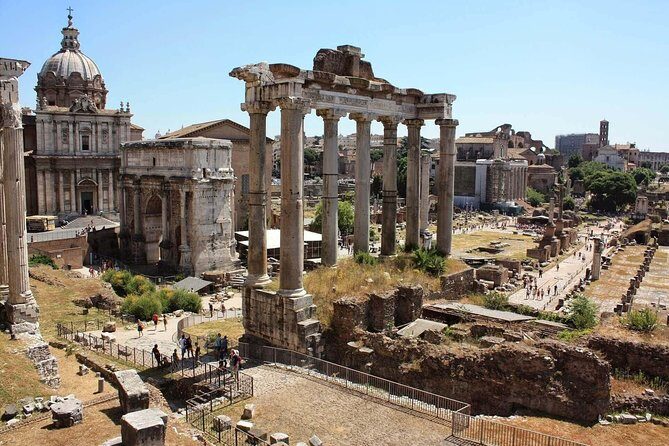
After the amphitheater, you move to the Roman Forum area, spending about 1 hour there. This is where the tour earns its keep, because the Forum can feel like a maze of stones if you don’t have someone to frame what you’re looking at.
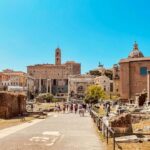
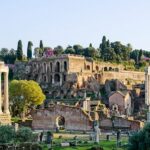
You’ll see major landmarks around the area, including the Arch of Constantine and references to key Forum sites such as the Arch of Titus, the House of the Vestal Virgins, the Temple of Saturn, the Senate House, and the white marble Arch of Septimus. You’ll also have a walk up the Sacred Way toward Capitoline Hill and the Vittoriano viewpoint.
What I like about doing the Forum right after the Colosseum is the contrast. The Colosseum shows public spectacle in a single massive structure. The Forum shows how public life, politics, and religion were woven together across a wide urban space. Even though you’re seeing ruins, the guide can make them feel like a working civic center.
A key practical note: entry here depends on your documents and your names matching the booking. You’ll need that sorted ahead of time, or you risk being turned away at the ticket desk.
Pantheon, Trevi Fountain, and Piazza Navona—short, famous, and well timed
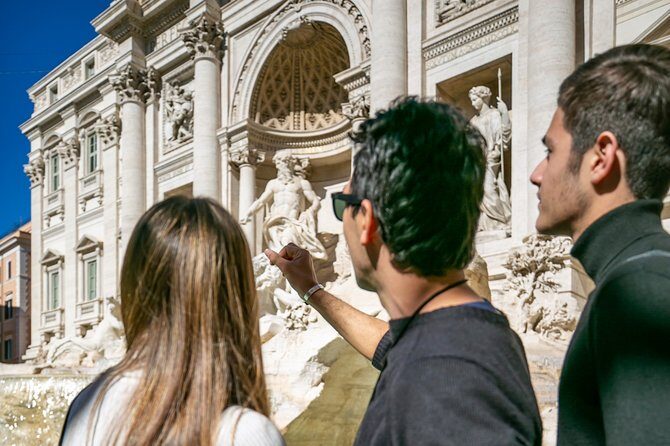
The morning continues with quick hits around some of Rome’s most recognizable landmarks: the Pantheon, Trevi Fountain, and Piazza Navona. Expect about 30 minutes at these stops within the broader time block, and build in the reality that you’re fitting in major icons, not lingering.
A good strategy here is to focus on what you can notice in a short window. For the Pantheon, look for the dome and the way light behaves inside. For Trevi Fountain, treat it like a photo-and-people-watching stop while you still keep an eye out for details like the sculptural program. For Piazza Navona, check the shape of the square and the geometry created by the facades.
Your itinerary timing also includes a lunch break on your own, which is a smart move. It lets you eat when you want rather than being forced into a scheduled restaurant stop.
If you want a quieter experience at these places, you’ll need to come back later on your own day. This tour is built for coverage and context, not for long downtime at every famous corner.
Lunch on your own: the easiest way to stay happy later
You’ll have time for lunch before the Vatican shift. Because the second half is museum-heavy—Vatican Museums and Sistine Chapel—you’ll be glad you used your break well.
Keep lunch simple and close to the route when possible. Even without transport included, you’ll want to minimize extra wandering so you can arrive fresh for the afternoon indoor time.
Also, keep water in mind. The day is long, and you’re moving between ancient stone sites and crowded museum halls. Hydration can be the difference between enjoying the last stop and feeling cranky by the end.
More Rome in a Day tours for the Colosseum & Ancient Rome
Vatican Museums: where your guide helps you choose the story
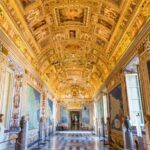
Once you head into Vatican territory, the tour focuses on the Vatican Museums, including galleries and standout collections. You’ll have about 1 hour here in the schedule, which is just enough time to hit key highlights with guidance.
The Vatican Museums are famous for scale, so a timed visit can feel limiting unless you know you’ll be shown what matters most. That’s where a guide with an art historian approach becomes valuable: your job is not to plan a perfect route through hundreds of rooms; your job is to follow the narrative your guide builds as you walk.
The experience is also set up to carry momentum into the next stop. Your visit doesn’t feel like random wandering; it’s organized so you can keep connecting themes in art and religious symbolism as the day moves forward.
Sistine Chapel: more than famous ceiling art
Your next major payoff is the Sistine Chapel, with about 1 hour 30 minutes allocated. This is one of those places where it helps to understand the building’s role, not just admire the ceiling.
You’ll hear how the Sistine Chapel is used today, including the fact that the conclave takes place there to elect a new pope. You’ll also get context on major fresco work, including the Last Judgment, and how it functions within the chapel’s artistic program.
What to do with your time here is simple: slow down once you’re inside. From wherever you stand, look for how scenes relate to each other, and listen for the guide’s framing so your viewing makes sense in your head rather than staying as separate images.
Because this stop is timed, don’t expect this to feel like a study session. It’s a guided viewing with enough time to absorb the essentials and understand what you’re looking at.
St. Peter’s Square at the end of the day, plus Basilica access limits
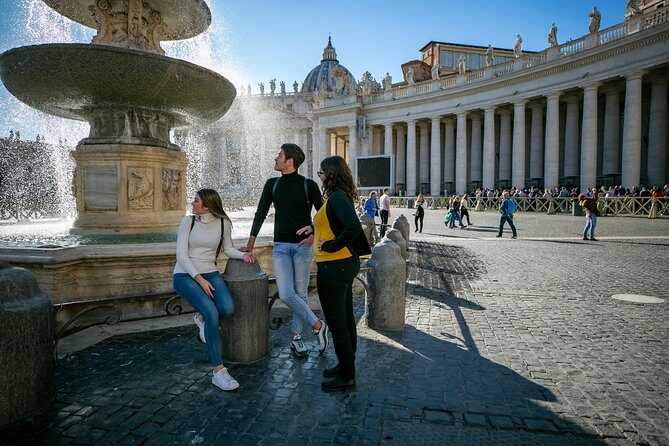
The tour wraps in St. Peter’s Square for about 30 minutes, where you can see the Pope’s Palace. This is a great finish because it gives you space to look outward after hours of walking through complex interiors.
One important reality check: St. Peter’s Basilica is listed as not included, and there’s also additional info noting that due to Jubilee restrictions, access to the Basilica is not accessible. So plan on experiencing the square and the setting, not the full interior of the Basilica through this specific tour package.
There’s also a second possible snag unique to Vatican days: papal activity. Because of the current pope’s schedule and mass events, some areas might close last minute. When that happens, your guide will offer a valuable alternative focusing on the tour inside the Vatican Museums rather than the blocked areas.
What you pay for: value beyond the headline ticket price
At $632 per person, this is not a budget pick. The value is in what’s handled for you: a professional art historian guide, timed museum-and-site coverage, and admissions taken care of in advance.
The included pricing details for the Colosseum point to the experience level you’re buying: Colosseum entry, a reservation fee, and a ticket category described as including arena access. Those pieces add real cost and also reduce hassle, especially when you’re compressing so much into one day.
Where you may feel the cost most is if you compare it to DIY plans. But if you’d rather spend your limited time in Rome understanding what you’re seeing rather than solving tickets and route puzzles, this price starts to make sense.
The parts not included are straightforward: food and drinks, transportation to and from the attractions, and St Peter’s Basilica. That means you should budget for lunch and for getting yourself to the meeting point and back.
Practical tips so you don’t lose time at the ticket desk
This tour has one job above all: get you into the sites smoothly. The biggest time-waster on major Rome entries is preventable paperwork and clothing issues.
Dress code: knees and shoulders must be covered for both men and women. That means no shorts and no sleeveless tops. If you show up dressed casually, you risk being refused entry.
Name and ID matching: you must provide the full names of all travelers at booking. You also need a valid passport or ID document that matches the names used for the ticket office process. Failing this can mean denied entry for the Colosseum and Roman Forum.
Mobile ticket: the experience uses a mobile ticket, which is helpful for keeping everything in one place. Just make sure your phone battery is healthy before the day starts.
Walking stamina: this is a “big day” physically. One of the standout notes from a recent day was around 19,592 steps, so don’t plan to treat it as a gentle stroll.
Who this tour is best for (and who should skip it)
This tour is a good match if you want a guided highlights day that connects the dots between ancient Rome and Vatican art. It’s also strong for first-timers who’d rather see the key sites with interpretation than spend extra days trying to build an efficient route.
You’ll likely enjoy it most if you:
- like learning on the move, with a guide answering questions
- want admissions managed ahead of time
- are fine with a packed schedule and short stop durations
It may not be your best choice if you:
- want a lot of unstructured time at the Vatican or Basilica interiors (Basilica access is limited here)
- want to avoid dress code constraints
- need long, slow breaks between sites
Should you book this Vatican Colosseum & Best of Rome tour?
If your top priority is a single-day plan that hits the biggest monuments with tickets handled and a guide who can explain what you’re seeing, I’d say this is a strong option. The Colosseum with arena access, the Forum framework, and the Sistine Chapel context make it more than a checklist.
The decision comes down to your tolerance for rules and a timed itinerary. If you’ll follow the dress code, bring matching ID, and you’re comfortable with a long day of walking, you’re set up for a satisfying Rome-and-Vatican day.
If you’re hoping for Basilica interior access in this booking, temper expectations. Between Jubilee restrictions and possible Vatican closures, the tour is designed to keep you moving through the Vatican Museums and end at St. Peter’s Square.
FAQ
What time does the tour start, and how long is it?
It starts at 9:30am and runs for about 6 hours (approx.).
Where do we meet, and where does the tour end?
You meet at Via dei Fori Imperiali, Roma RM, Italy. The activity ends back at the same meeting point.
Is this tour private?
Yes. It’s listed as a private tour/activity, and only your group will participate.
What language is the tour offered in?
The tour is offered in English.
What’s included in the price?
Included items are a professional art historian guide, Colosseum entrance tickets (including an arena-access option as listed), a Colosseum reservation fee, and admission tickets for the listed stops. It also includes a mobile ticket.
Which sites include admission tickets, and what’s not included?
Admission tickets are included for the Colosseum, Roman Forum, and the Vatican Museums and Sistine Chapel time blocks described in the itinerary. Food and drinks are not included, transportation to and from the attractions is not included, and St. Peter’s Basilica is not included.
Do I need to follow a dress code?
Yes. Knees and shoulders must be covered for both men and women. No shorts or sleeveless tops are allowed, and failure to comply can lead to refused entry.
What documents do I need for entry to the Colosseum and Roman Forum?
You’ll need a valid passport or ID document that matches the full name provided at booking. A voucher with all travelers’ full names must be presented at the ticket office prior to entry.
Could parts of the Vatican be closed during the tour?
Yes. Because of papal activity, some areas might close last minute. If that happens, the guide will provide an alternative focusing on the tour inside the Vatican Museums.
Is the tour refundable if my plans change?
No. The experience is non-refundable and cannot be changed for any reason.