REVIEW · ROME
Essential of Rome in 1 Day: Vatican Musems & Colosseum
Book on Viator →Operated by Towns of Italy · Bookable on Viator
Rome in one day can feel like a sprint.
This tour turns that sprint into a plan, with prebooked, timed entry and an English-speaking guide that keeps the day moving. You get the big Vatican moments (including guided time in the Sistine Chapel) and then you roll straight into the Colosseum area for ancient-Rome energy and end-of-tour views from Palatine Hill.
I especially like the stress-control parts: your Vatican admission is timed, so you’re not stuck guessing when you’ll get in, and the guide helps you skip the language friction. I also love that the day ends with a high point—Palatine Hill gives you that wide, get-your-bearings-fast Rome panorama after you’ve been in crowds all morning and afternoon.
One thing to consider: this is a full day of checkpoints and rules. You’ll face security screening at the Colosseum, you need to follow a strict dress code, and late arrivals can risk access because Vatican entry is strictly timed.
In This Review
- Quick hits before you go
- How the 8-hour Vatican-to-Colosseum day actually works
- Vatican Museums and the timed-entry advantage
- Sistine Chapel: what you’re really looking at (and why it sticks)
- St. Peter’s Basilica: big Renaissance scale, fast context
- Vatican Museums essentials: Egyptian rooms and bronzes that change the tone
- Colosseum first impression: the amphitheatre you can feel
- Roman Forum: where day-to-day Rome used to happen
- Palatine Hill at the end: the payoff views
- English guide quality: why it matters more than you think
- Dress code, ID matching, and pacemaker screening: the rules that can ruin your day
- Price and value: is $122 a good deal for this much Rome?
- Who should book this one-day Rome highlights plan?
- Should you book this Vatican Museums and Colosseum day tour?
- FAQ
- How long is the tour?
- Is the tour offered in English?
- Does the price include Vatican Museums tickets?
- Is Colosseum admission included too?
- Where does the tour start and end?
- Is transportation included from the Vatican to the Colosseum?
- What is the dress code?
- Are there bag restrictions at the Colosseum?
- Do I need photo ID?
- Can I cancel for a refund?
Quick hits before you go
- Timed Vatican entry reduces line anxiety and keeps your schedule sane
- English guide + radios help you follow along without playing guess-the-gesture
- Sistine Chapel focus means you’re not just walking in and hoping for the best
- Colosseum + Roman Forum + Palatine Hill in one afternoon gives you a clear ancient-Rome storyline
- Palatine Hill views are a satisfying payoff once your feet are done negotiating
- Strict bag and dress rules at the Colosseum can be the difference between smooth and annoying
How the 8-hour Vatican-to-Colosseum day actually works
Think of this as two power blocks: Vatican masterpieces first, then the Colosseum landscape. The tour runs about 8 hours, and it’s built for visitors with limited time who still want the highlights—without turning the trip into a frantic line-hopping contest.
You’ll start with guided access around the Vatican’s core sites, then you’ll move toward the Colosseum area for guided time at the Colosseum, Roman Forum, and Palatine Hill. One practical note: transportation from the Vatican to the Colosseum isn’t included, so you’ll want to plan that gap ahead of time rather than assuming everything is handled for you.
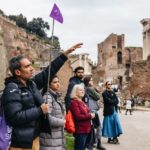
With a max group size of 20, the pace stays lively but not chaotic. You’ll also have an English-speaking guide for the itinerary inside the Vatican Museums, plus a guided portion for the Colosseum/Forum/Palatine Hill.
More Colosseum + Vatican combos for the Colosseum & Ancient Rome
Vatican Museums and the timed-entry advantage
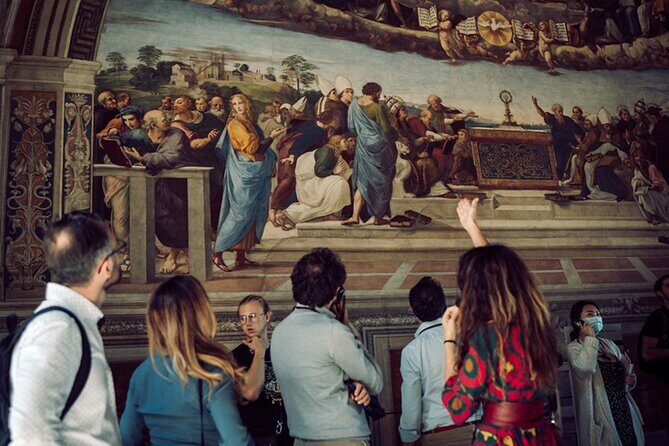
Vatican Museums are one of those places where the wrong plan can ruin your morning. Here’s the good news: your Vatican entry is prebooked with a strictly timed ticket, so you’re not scrambling at the door trying to figure out what’s possible.
This matters because Vatican Museums run on timed access. If you arrive late, entry can’t be guaranteed. You’ll also need photo ID for the security check. If you’re traveling with multiple people, double-check that the names you booked match the IDs you’ll bring—consistency is what keeps security from turning into drama.
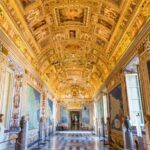
Inside the museums, you’ll get a guided route designed for first-timers: the goal isn’t to see every room, it’s to see the rooms that connect the dots. Expect ancient artifacts (including Egyptian material and papyrus-type pieces) rather than an aimless stroll through galleries.
Sistine Chapel: what you’re really looking at (and why it sticks)
The Sistine Chapel is a worksite of symbolism. Yes, it’s famous for Michelangelo, but the space itself matters: it’s part of the Apostolic Palace in Vatican City and it has long served papal functions. Today, it’s known as the setting for papal conclaves—the process of selecting a new pope.
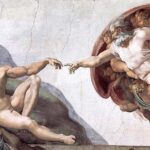
Your guided time focuses you on what makes the Sistine Chapel ceiling unforgettable, including Michelangelo’s famous ceiling frescoes and the Last Judgment. A ceiling you can’t look away from is one thing; a guide who points out what you’re actually seeing is another. That’s the value here: you get context so the art feels less like random greatness and more like a planned visual story.
Timing is also important. You’ll have about 30 minutes with admission included for this stop, which is long enough to appreciate the scale and details if you go in ready to tilt your head for a while. Bring water before you start getting religious-site dry-mouthed.
St. Peter’s Basilica: big Renaissance scale, fast context
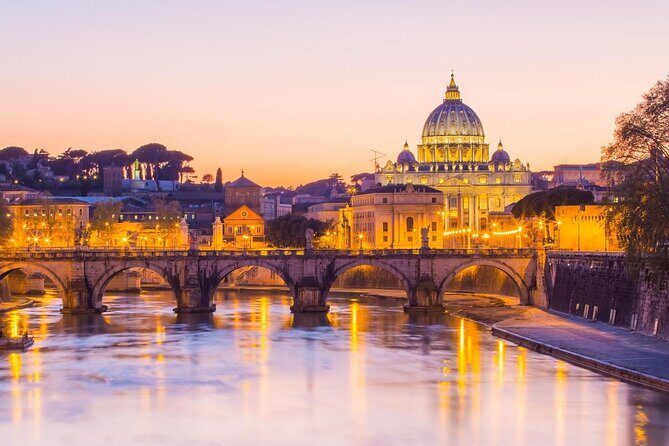
After the ceiling, your next hit is St. Peter’s Basilica—Renaissance-style, inside Vatican City. This is the kind of place where your brain registers size before your eyes register details. It was designed to replace the aging Old St. Peter’s Basilica, with plans associated first with Pope Nicholas V and later Pope Julius II.
Your stop is set at about 30 minutes with admission included. That’s not long enough to see everything, but it’s realistic given the day’s schedule. What the guide can do in a short window is point you toward the areas that tell you what makes this basilica different from other major churches you may have seen.
If you’re sensitive to crowds, be ready for the fact that St. Peter’s is a magnet. Still, a guided approach helps you avoid aimless wandering.
Vatican Museums essentials: Egyptian rooms and bronzes that change the tone
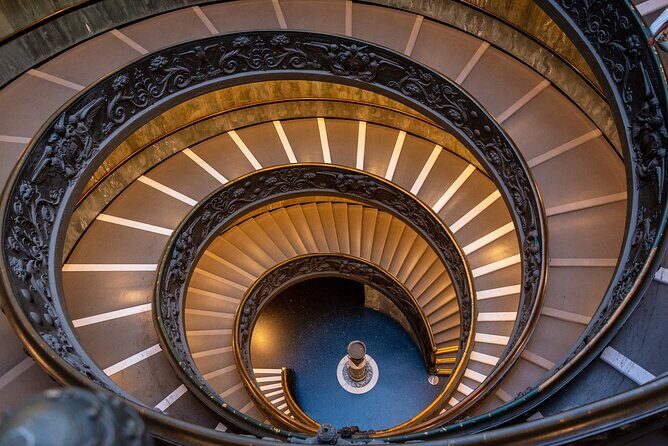
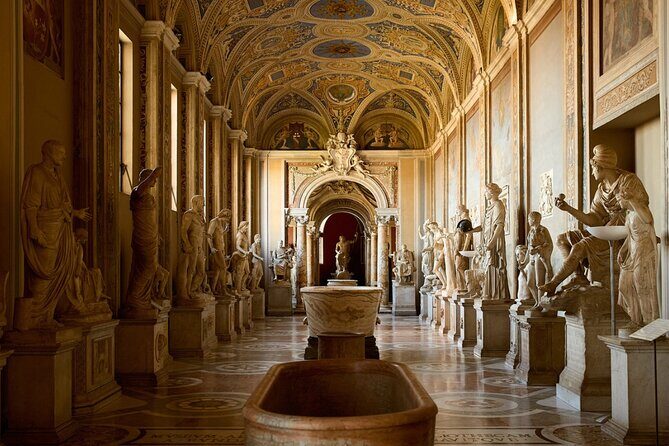
Vatican Museums can feel like a maze if you’re on your own. This stop is designed to keep you oriented: about 3 hours with admission included, plus a guided tour through the museum time.
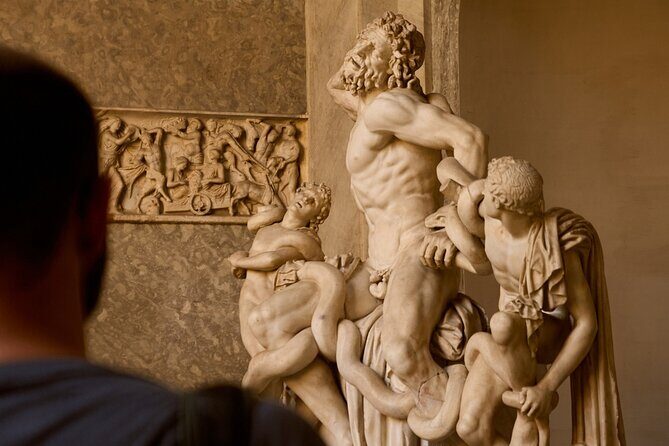
You’ll spend time with major collections, including material tied to Ancient Egypt and Egyptian works produced under Roman rule. The details matter here. You’ll encounter artifacts like papyrus material, sarcophagi, mummies, and even references to the Book of the Dead in the form of reproductions. That pairing—Egyptian religion inside a Vatican setting—creates an interesting contrast that’s hard to recreate without guidance.
There’s also a bronzes component tied to the Carlo Grassi collection. You might not think of bronzes as a highlight until you see what survives and how craftsmanship reads across centuries. A guide helps you focus on what to notice, instead of treating it as just another room.
A few more Rome tours and experiences worth a look
Colosseum first impression: the amphitheatre you can feel
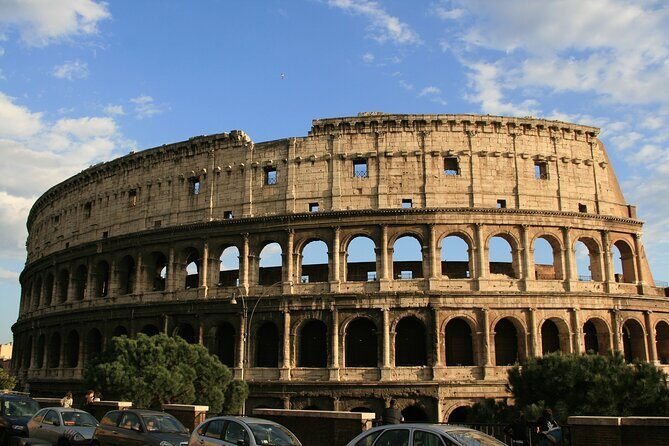
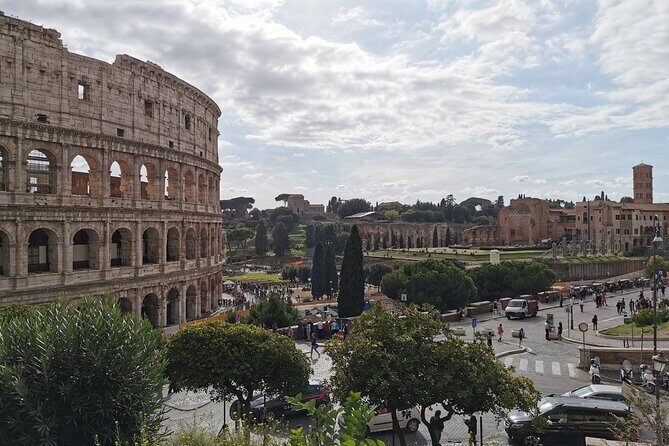
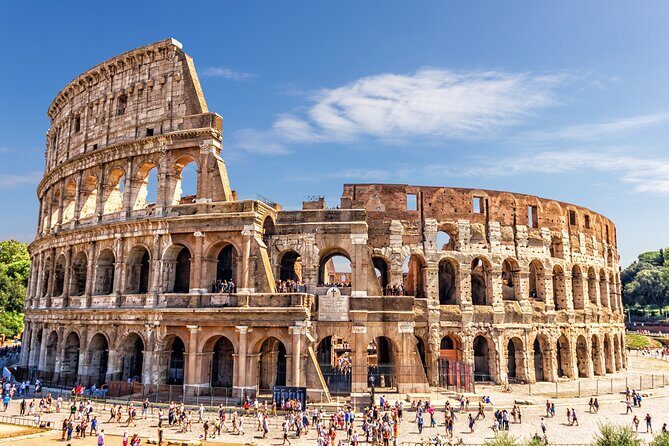
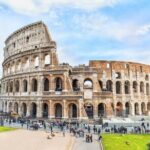
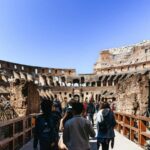
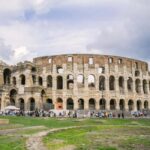
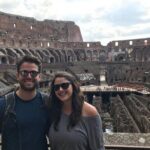
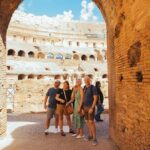
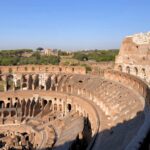
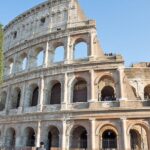
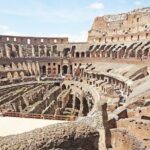
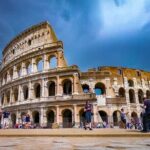
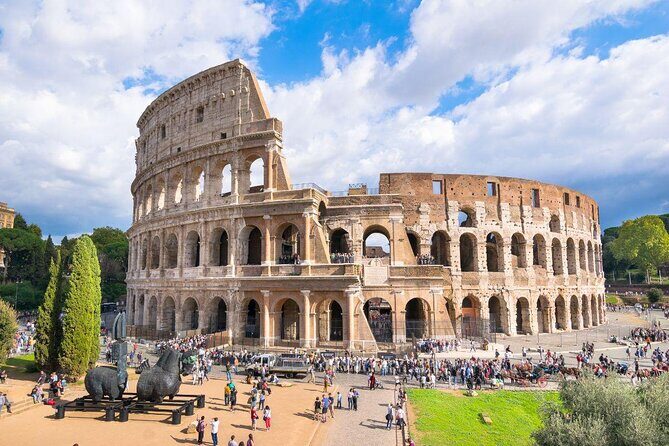
Then you hit the Colosseum, Rome’s most recognizable ancient arena. It’s elliptical, huge for its age, and still the world’s largest standing amphitheatre. Construction began under emperor Vespasian and finished in 80 AD under Titus, with later modifications during Domitian’s reign.
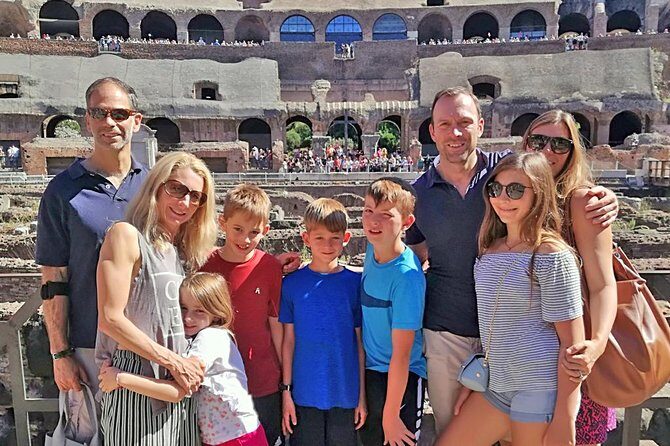
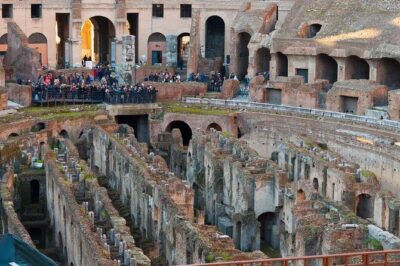
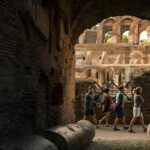
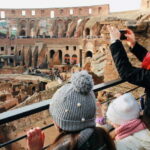
This is where your day earns its sweat. Expect about 3 hours of guided time connected to the Colosseum, Roman Forum, and Palatine Hill as a package. The Colosseum stop itself is where you’ll feel the scale most. Even if you’ve seen photos, the moment you’re in the space, you understand why Rome built this kind of stage for public life.
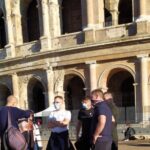
One practical warning: you may experience delays due to heightened security checks at the Colosseum. If you arrive close to the time window, you’ll want to keep your expectations flexible.
Also, tickets aren’t the only gate. There are restrictions on what you can bring: bulky bags, trolleys, or backpacks aren’t allowed, there’s no cloakroom, and no glass bottles are allowed. If you want a smooth day, pack like you’re walking through airports again—small bag, essentials only.
Roman Forum: where day-to-day Rome used to happen
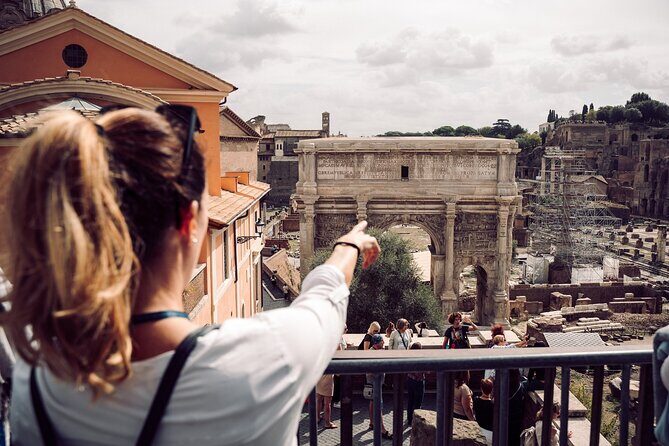
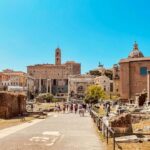
After the Colosseum, the Roman Forum feels like the missing chapter. The Forum Romanum sits at the heart of ancient Rome between the Palatine and Capitoline hills, and it was a rectangular plaza surrounded by the ruins of major government buildings.
This wasn’t just a scenic ruin spot. For centuries, it was where Rome conducted its public life: triumphal processions, elections, speeches, criminal trials, and even gladiatorial matches. In other words, it’s not only about entertainment. It’s about how power and people interacted day after day.
The guided time at the Forum is short (around 20 minutes), so you’re not going to get a full excavation tour. But the guidance is what helps the space click—what to look at, what each ruin likely served, and how the Forum connects back to what you just saw in the Colosseum.
Palatine Hill at the end: the payoff views
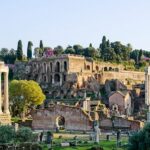
Palatine Hill is where the day turns from history facts into Roman scenery. It’s one of the most ancient parts of Rome and the centremost of the seven hills. The hill is known as the first nucleus of the Roman Empire, and it’s now mainly an open-air museum.
You’ll also see it as a palace story. Imperial palaces were built there starting with Augustus, while earlier times had more of a wealthy residential character. The hill’s geography is part of the legend too: it originally had two summits separated by a depression—Palatium and Germalus.
At the end of the day, you get about 20 minutes here, plus the best reward of all: great views across Rome. By this point your feet will be negotiating with your brain, so being at a viewpoint helps you finish with a memory that feels like Rome, not just Rome ruins.
English guide quality: why it matters more than you think
Language is only half the issue. Even when you understand the words, the order of information matters. With this kind of packed day, you need someone who can connect what you’re standing in front of with why it mattered historically.
This is where the English guide really earns its keep. You’ll also have a small group size (up to 20), and in past experiences people noted that radios helped them hear the guide clearly.
Not every guide experience is identical, though. One set of comments mentioned hearing comprehension challenges at the Vatican. If that’s a concern for you, don’t hesitate to position yourself where you can hear, especially during the Sistine Chapel and museum transitions.
Dress code, ID matching, and pacemaker screening: the rules that can ruin your day
Rome’s major religious and heritage sites have real standards. Here’s what you need to know so you don’t lose time at security desks.
For the religious sites, follow the dress code: no sleeveless blouses, no miniskirts, no shorts, and no hats. If your outfit is borderline, it’s not worth negotiating in line.
For entry paperwork, you’ll need a valid passport or ID that matches the full names you provided when booking. If names don’t match, entry at the Colosseum and Roman Forum can be denied.
Bags are another big one at the Colosseum. Bulky bags, backpacks, and trolleys aren’t allowed, and there’s no cloakroom. If you’re carrying anything large, plan a smaller pack strategy before you leave your hotel.
If you have a pacemaker, you’ll need to show a certificate for screening.
These aren’t small annoyances. In a timed, one-day plan, they’re what protect your schedule.
Price and value: is $122 a good deal for this much Rome?
At about $122.31 per person for an 8-hour day, this isn’t a bargain-bucket tour, but it also isn’t trying to sell you a fantasy. The value comes from the combo of paid entry and paid guidance.
You’re paying for:
- Tickets to Vatican Museums
- Guided time for the Sistine Chapel
- Guided tour coverage through the Vatican Museums in English
- Colosseum entrance ticket plus a reservation fee
The tour price also covers the service layer: the timed approach, the guided pacing, and the English-speaking support that saves time and confusion. For first-timers, that’s often worth it. For people who love solo wandering and don’t mind line risk, it may feel pricey.
I look at it like this: if your biggest worry is losing time to queues, you’re buying back hours. If you’re comfortable handling timed sites on your own, the value drops.
Who should book this one-day Rome highlights plan?
I’d point you toward this tour if:
- you have limited time and want the Vatican and Colosseum core in one day
- you prefer an English guide over self-guided guessing
- you want reduced stress from prebooked entry and a guided structure
- you like big-picture context (what you see and why it matters), not only photo stops
I’d think twice if:
- you hate security lines and strict rules
- you’re traveling light and don’t want to manage bag restrictions at the Colosseum
- you don’t do well with head-tilting sightseeing in one sitting (Sistine Chapel is unavoidable, in a way)
Should you book this Vatican Museums and Colosseum day tour?
If you want a one-day Roman greatest-hits package with practical guidance, I’d say yes—with eyes open. The tour’s strength is obvious: timed access in the Vatican Museums, guided time in the Sistine Chapel, then a structured ancient-Rome route through the Colosseum, Forum, and Palatine Hill with the view payoff at the end.
Just be picky with your prep. Match your names to your ID, follow the dress code, and pack with the Colosseum rules in mind. If you do those things, the day feels like a smart plan instead of a stress test.
If you’d like, tell me your travel dates and whether you’re traveling solo or with family, and I’ll help you plan the practical bits for the Vatican-to-Colosseum connection and what to pack.
FAQ
How long is the tour?
It runs for about 8 hours.
Is the tour offered in English?
Yes. The guide and tours are provided in English.
Does the price include Vatican Museums tickets?
Yes. Tickets to the Vatican Museums are included.
Is Colosseum admission included too?
Yes. Colosseum entrance is included, along with the Colosseum reservation fee.
Where does the tour start and end?
Both the start and end meeting point are at Colosseum, Piazza del Colosseo, 1, 00184 Roma RM, Italy.
Is transportation included from the Vatican to the Colosseum?
No. Transportation from the Vatican to the Colosseum is not included.
What is the dress code?
For the religious sites: no sleeveless blouses, no miniskirts, no shorts, and no hats.
Are there bag restrictions at the Colosseum?
Yes. Bulky bags, trolleys, or backpacks are not allowed, and there is no cloakroom. Glass bottles are also not allowed.
Do I need photo ID?
Yes. You must have photo ID for the Vatican Museums security check.
Can I cancel for a refund?
Yes. You can cancel up to 3 days in advance for a full refund.