REVIEW · ROME
Colosseum Escorted Entrance Combo Pass with Open Bus
Book on Viator →Operated by Gray Line I Love Rome by Carrani Tours · Bookable on Viator
Timing helps you beat the ancient crowd. This Colosseum escorted entrance combo pass stitches together air-conditioned guiding, reserved access, and audio commentary so you can move through Rome’s core without feeling totally lost. I especially like the way it combines Palatine Hill, the Colosseum, and the Roman Forum into one planned rhythm.
I also like the practical add-on: an open-bus one-run ticket that helps you connect with the wider sights on your own schedule. One thing to consider: the audio can run through a radio system, and if the signal is spotty, you’ll want to keep your expectations realistic and pack your basics carefully for the security scans—especially around the Colosseum entry.
In This Review
- Key highlights to know before you go
- Why this combo pass works in Rome
- Meet-up at Colle Oppio, then ride into the ruins
- Palatine Hill in one hour: where Rome feels oldest
- Entering the Colosseum with an escorted plan
- Roman Forum and the Arch of Constantine: read the city’s center
- Audio commentary in 12 languages: how to get the most
- Open bus one run: add your own time without overplanning
- What to bring and how to sail through security
- Group size and pacing: good for first-timers, not for slow explorers
- Value check: is $60.56 a smart deal?
- Should you book this Colosseum escorted entrance combo?
- FAQ
- What’s the duration of the tour?
- Where does the tour start and end?
- Is the Colosseum entrance ticket included?
- Is audio included, and in how many languages?
- Do I need to provide full names for entry?
- Is the Hop-on-Hop-off bus included?
- What should I bring?
- Is this tour suitable for people with mobility issues?
- Can I change or get a refund if my plans change?
Key highlights to know before you go
- Timed Colosseum entry with escorted admission, so you’re not improvising at the busiest gate
- Audio in 12 languages plus special child tracks, with the option to follow at your own pace
- Real coverage of the ancient core: Palatine Hill, Colosseum, Roman Forum, and the Arch of Constantine area
- Open-bus one run for extra sightseeing time beyond the guided stops
- Small group limit (30 people), which usually makes it easier to keep things organized
- Mobile ticket and a strict name match at ticket desks, so double-check details before you arrive
Why this combo pass works in Rome
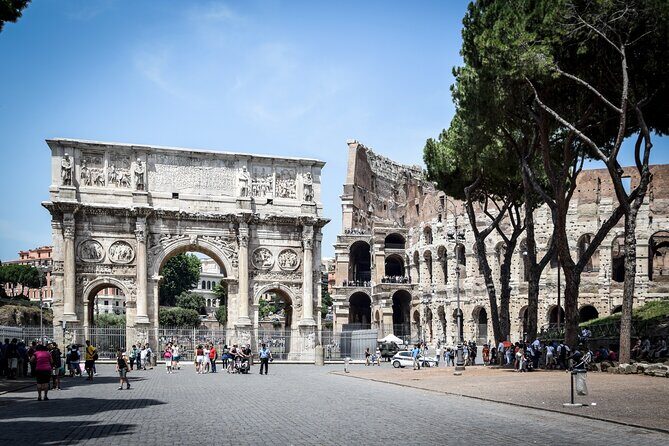
Rome’s ancient sites are famous for two things: crowds and lines. This pass is built to reduce both. Instead of doing the Colosseum on your own, you get an escorted entrance component plus guided stop structure, which helps you keep your day moving.
The core value is that you’re bundling three heavy hitters—Palatine Hill, the Colosseum, and the Roman Forum—under one plan, with audio in your chosen language. That matters because these places are dense. When you hear what you’re looking at (or at least get the right framing), the ruins start to click faster.
The other big value piece is the Colosseum entry itself. The pass includes the Colosseum entrance ticket and a reservation fee (listed as €18 + €2 per person). That means your money isn’t only going to transportation or vague narration; it’s tied directly to getting into the site at a set time, which is often where DIY plans fall apart.
If you're still narrowing it down, here are other tours in Rome we've reviewed.
Meet-up at Colle Oppio, then ride into the ruins
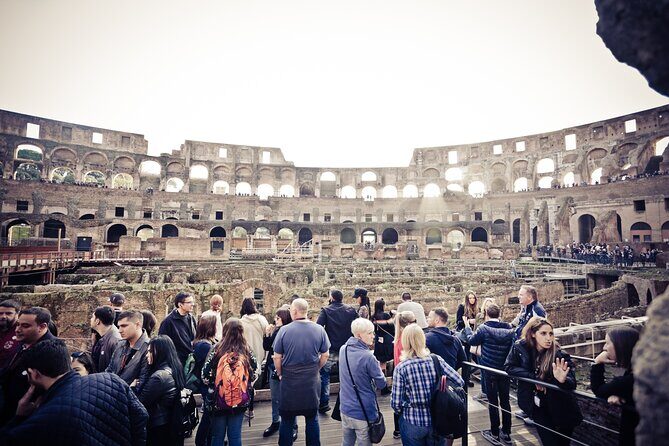
The tour starts at Colle Oppio and Terme di Traiano Park (Via del Monte Oppio area). Your ending point is Via dei Fori Imperiali. That end point is useful: it puts you right in the thick of the Forum area, where you can keep exploring after your guided time is done.
You’ll also want to pay attention to the Colosseum entrance redemption details. The ticket redemption point is inside the park area at Parco Colle Oppio, at the corner of Via delle Terme di Tito and Via Nicola Salvi. Plan to arrive with a little calm time so you’re not hunting around right when your entry slot is approaching.
The day includes an air-conditioned vehicle with a professional guide. In practice, that vehicle time is less about comfort and more about control: you’ll get a smoother handoff from one ancient zone to the next, which helps you avoid the stop-and-start feeling that can happen when you’re bouncing between sites solo.
Palatine Hill in one hour: where Rome feels oldest
Stop 1: Palatine Hill runs about 1 hour, and it’s a smart opening stop. Palatine is one of Rome’s Seven Hills, positioned between the Velabro and the Roman Forum area. It’s also one of the oldest parts of the city, and today it’s managed like an open-air museum.
What I like about using Palatine as your first stop is how it sets context. By the time you reach the Colosseum and the Forum, you’re not just looking at random stones. Palatine gives you a sense of the city’s scale and layers—because these hills were tied to power and status long before the amphitheater era.
Practical note: one hour goes quickly when you’re stopping for photos and trying to understand the layout. Comfortable shoes matter here, because Palatine is the kind of place where you’ll naturally slow down, then suddenly realize you’re near the end of your allotted time.
Entering the Colosseum with an escorted plan
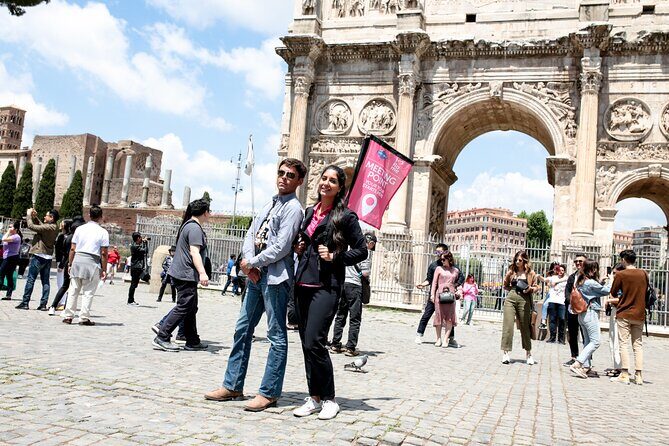
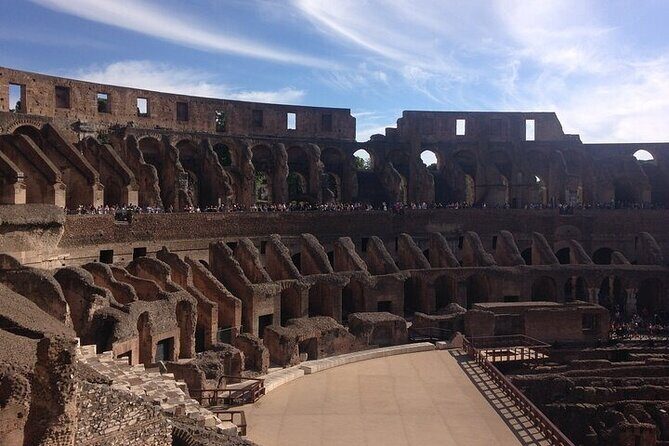
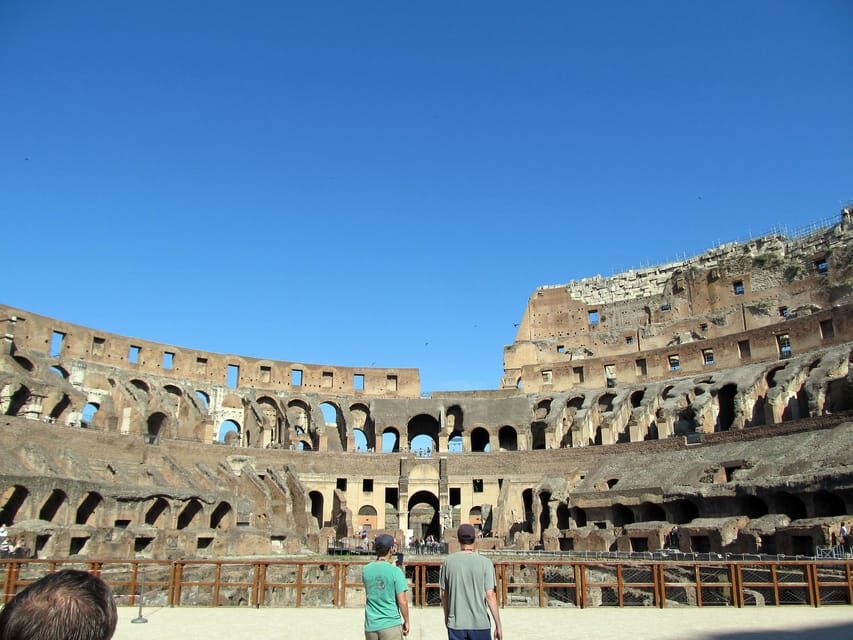
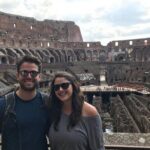
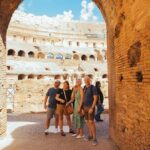
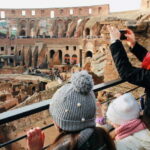
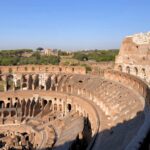
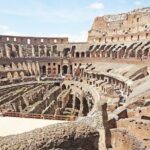
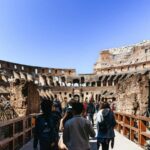
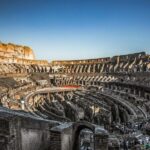
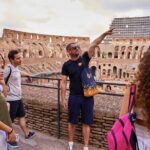
Stop 2: Colosseum is about 2 hours, and the pass is designed around escorted entrance. In plain terms: you’ll have help with the timed entry process, and that’s huge at one of the world’s busiest ticket gates.
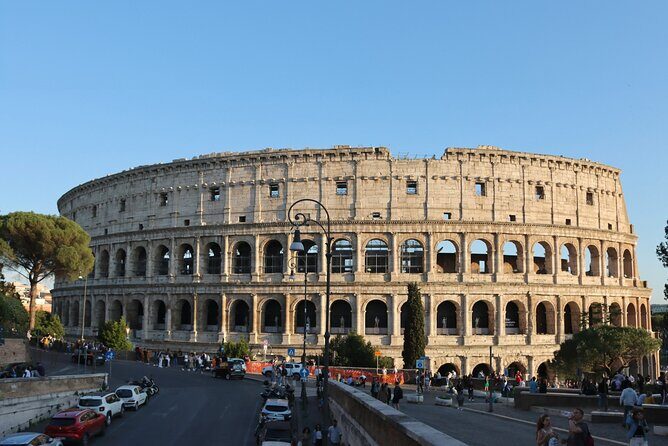
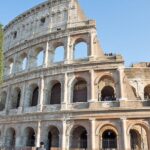
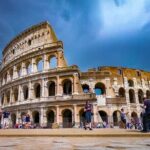
The Colosseum is identified as the largest amphitheater in the world, originally known as Amphitheatrum Flavium. Standing in front of it, you get why the structure became such an enduring symbol of Rome. But what makes this stop better than a random entry is the structure around it: you get an audio commentary in your chosen language while you move through.
One real-world consideration is how security screening can affect your flow. You’ll likely face metal detector screening at entry. A helpful tip from experience: after you go through the scan, make sure you can immediately access what you need. If your bag setup is messy, it’s easy to forget something and then end up doing a second search while you’re trying to stay on the group schedule.
Roman Forum and the Arch of Constantine: read the city’s center
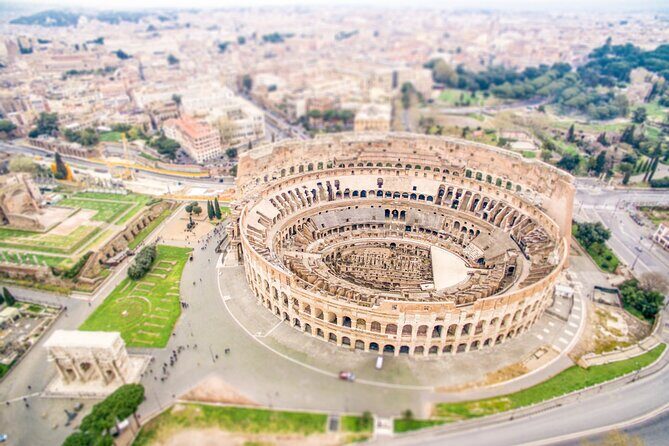
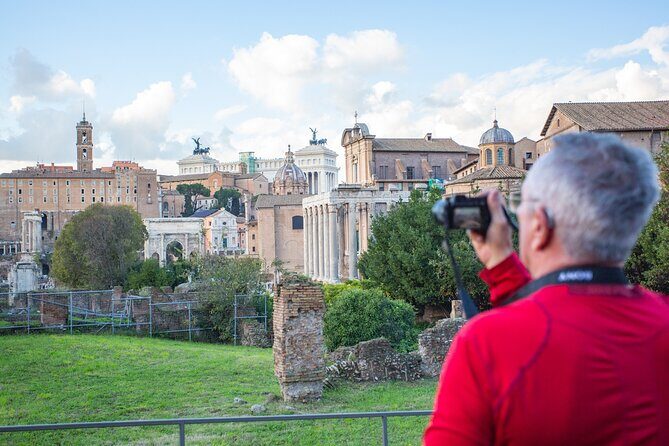
Stop 3: Roman Forum is about 1 hour. This is the part of Rome where buildings overlap, eras stack, and the layout starts telling the story of how the city worked day-to-day.
The Forum area is described as an archaeological zone made up of remains from different periods, and it served as Rome’s political, juridical, religious, and economic center across ancient history. It’s also the kind of place where you can’t really separate the ruins from the idea of governance. Everything you see feels like it belonged to decision-making and public life.
The pass also highlights the Arch of Constantine as part of the sights covered. Even if your exact walking route is dictated by how the site is operating that day, it’s still a key landmark in this zone. When your time is tight, having it included in your planned stops helps you avoid the classic DIY problem: you spend time trying to figure out which arch is which, instead of actually seeing the main pieces that connect the Forum’s story.
Important heads-up: due to ongoing maintenance work, stop no. 3 (Colosseo) may be temporarily unavailable for boarding and drop-off until further notice. That doesn’t necessarily change your Colosseum entrance, but it can affect how the open-bus portion connects. If you’re relying on the bus to start or end exactly at one point, bring a little flexibility.


Audio commentary in 12 languages: how to get the most
This pass includes audio commentary in 12 languages, plus special tracks for children. Audio is the main way you’ll understand what you’re seeing without needing a full private guide for every step.
Here’s the practical catch: the audio is delivered through a device system, which means your experience depends on signal quality. One key lesson from real use: if the radio transmission is weak, the narration can become frustratingly hard to follow. So your best move is simple—get settled early, keep your volume controlled, and treat audio as helpful framing, not a guarantee. If the sound glitches, you can still look for the big structural cues (archways, seating tiers, street-level traces) and stay oriented.
If you’re able, it helps to do a small amount of homework before you go—just enough to know what the Colosseum and Forum were for. When you have that basic context, even imperfect audio still guides you.
Open bus one run: add your own time without overplanning
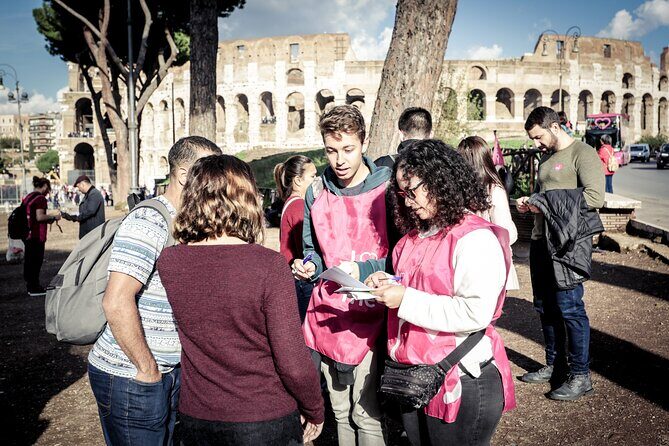
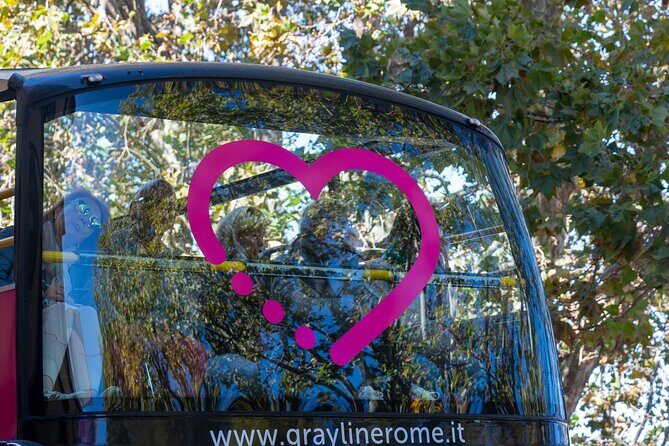
The combo includes an open bus one run ticket. The open bus is not there to replace the guided part; it’s there to give you extra mobility around the day.
There’s also an option to upgrade to a Hop-on-Hop-off ticket onboard for more flexibility, but that option isn’t automatically included. If you like the idea of hopping on and off multiple times, you’ll want to plan for that decision during the day rather than assume you already have it.
Bus timing depends on the season:
- From November to March, the bus operates 8:30 AM to 5:45 PM (last bus at 5:45 PM from Termini Station, stop 1).
- From April to October, the bus operates 8:30 AM to 6:45 PM (last bus at 6:45 PM from Termini Station, stop 1).
If you’re trying to catch later-day views, keep the end time in mind. This is also why the tour’s structure matters: your guided stops are time-bound, and the bus can help you see more afterward—but only if you’re within the operating window.
Also note one specific stop detail: STOP 6 is at Lungotevere Tor di Nona 7, between Via Panico and Via Mastro. If you’re pairing this with other plans that use bus stops, write that down before you rely on memory.
What to bring and how to sail through security
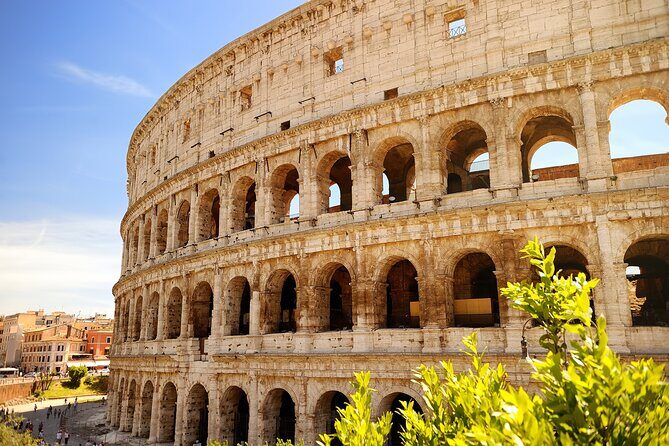
You’ll get the most out of this day if you plan for comfort and speed.
Wear comfortable shoes. This is a moderate fitness experience, and the terrain and walking demands can add up fast across Palatine, the Colosseum area, and the Forum zone. Bring water, and in summer bring sunscreen too.
If you have a pacemaker: you must present a certificate to bypass security screening. Don’t assume this will be handled automatically.
And because the ticket process is strict: provide the full names of all travelers when booking. If the ticket office doesn’t match names to your voucher before entry, you can be turned away from the Colosseum and Roman Forum. This is one of those details that can ruin a day, so double-check spelling.
Finally, keep your essentials organized for scanning. The screening flow means you should be able to access what you need right after you pass through, without rummaging for several minutes.
Group size and pacing: good for first-timers, not for slow explorers
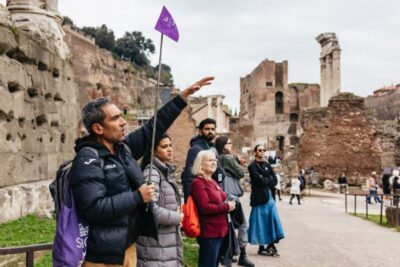
The tour has a maximum group size of 30 people. That tends to be a sweet spot: big enough that you’re not waiting around for your turn, small enough that the guide can keep things together.
The overall duration is about 4 hours. That’s long enough to see the big anchors, but short enough that you’re not wandering aimlessly. If you love slow museum-style pacing, this may feel a bit structured. If you want to see the major ancient highlights with useful guidance and then keep exploring on your own, it’s a good fit.
For mobility limits: it’s not recommended for individuals with impaired mobility. The booking details also call out that the walk and terrain may require moderate fitness.
Value check: is $60.56 a smart deal?
At $60.56 per person, the headline price looks low for three major ancient stops—especially when the Colosseum part includes reserved entry components (ticket plus reservation fee listed as €18 and €2 per person). That means you’re paying not just for narration or general sightseeing, but for the kind of access that’s hardest to replicate on your own at the last minute.
What the rest of the cost covers is the day’s structure: guide support, audio in 12 languages, and the included open-bus one-run ticket. The fact that you’re getting a mobile ticket also helps on arrival day.
Is it perfect value? Only if you use the strengths. If you ignore the audio, arrive without a plan for entry timing, or expect a fully custom experience, you’ll likely feel like you paid for a schedule. If you show up ready to follow the flow, it’s good value for the access you’re getting to Rome’s busiest ancient highlights.
Should you book this Colosseum escorted entrance combo?
Book it if you want a planned route that hits Palatine Hill, the Colosseum, and the Roman Forum/Arch of Constantine area, and you like the idea of reserved Colosseum entry plus audio in your language. This is especially solid for first-time Rome visitors who don’t want to spend their morning figuring out logistics while everyone else is already lined up.
Skip or think twice if you need guaranteed, crystal-clear audio at all times, or if you’re the kind of explorer who hates group pacing. Also keep in mind that maintenance can affect how the bus connects at certain stops, and the Colosseum entry time is mandatory—so you’ll want to be punctual.
If your goal is to see the ancient core with less friction and more context, this is a strong option.
FAQ
What’s the duration of the tour?
The duration is listed as approximately 4 hours.
Where does the tour start and end?
It starts at Colle Oppio and Terme di Traiano Park in the Via del Monte Oppio area, and it ends on Via dei Fori Imperiali.
Is the Colosseum entrance ticket included?
Yes. The pass includes the Colosseum entrance ticket and a reservation fee (listed as €18 plus €2 per person).
Is audio included, and in how many languages?
Audio commentary is included in 12 languages, and there are special tracks for children.
Do I need to provide full names for entry?
Yes. You should provide full names for all travelers when booking. If the voucher with all full names doesn’t match at the ticket office before entry, you may be denied entry to the Colosseum and Roman Forum.
Is the Hop-on-Hop-off bus included?
No. You get an open bus one-run ticket, and you can upgrade to Hop-on-Hop-off onboard if you want more flexibility.
What should I bring?
Wear comfortable shoes and bring water and sunscreen during summer. If you have a pacemaker, you must present a certificate to bypass security screening.
Is this tour suitable for people with mobility issues?
It is not recommended for individuals with impaired mobility.
Can I change or get a refund if my plans change?
This experience is non-refundable and cannot be changed for any reason.