REVIEW · ROME
AWESOME Rome in a day Private: Vatican, Colosseum, Squares Lunch
Book on Viator →Operated by DI TOUR IN TOUR - Rome Magic Tour · Bookable on Viator
Rome compresses itself into one wild workday. This private day is built for speed with pickup from your accommodation, a dedicated guide, and reserved entries so you spend less time stuck in lines and more time looking at the big stuff. I like how the pace stays practical without feeling like a factory tour, and you get to reset between sites instead of sprinting on your own.
Two things I’d highlight: the private transportation with a driver and the guide attention that keeps you oriented as the day jumps from ancient Rome to Renaissance art. The one thing to think about is that the schedule is tight, and some stops are intentionally brief (like the Pantheon area, where entry may not be included if the queue is long).
If you want to see a lot of Rome in one day and don’t want logistics headaches, this can be a smart match. You just need to accept that you’re doing Rome in chapters, not reading every page.
In This Review
- Key points before you go
- Private pickup and chauffeur car: why your day starts easier
- Tickets, timing, and the real pace of an 8-hour private day
- Entering the Colosseum: Arch of Constantine, then the arena
- Roman Forum on the Sacred Way: law, power, and Julius Caesar
- Palatine Hill’s views: emperors lived here
- Spanish Steps in 15 minutes: the quickest taste of baroque Rome
- Trevi Fountain: aqueduct origins and a left-shoulder ritual
- Pantheon stop: when it’s outside-only (and what that means)
- Piazza Navona: fountains plus street-art energy
- Vatican Museums and the Sistine Chapel: art hours you feel
- Lunch in the middle of the crush: staying human
- Price and value: is $909.11 a smart use of your trip time?
- Who this private Rome day suits best
- Should you book this Rome in a day?
- FAQ
- How long is the tour?
- Is pickup from my accommodation included?
- Are entrance tickets included for all the main sites?
- What about the Pantheon ticket?
- Does this tour use mobile tickets?
- What should I wear for the Sistine Chapel?
- Do I need to bring identification?
- Can the order of stops change?
- Will the Last Judgment be visible in the Sistine Chapel in 2026?
- Is the tour refundable?
Key points before you go
- Hotel pickup + chauffeur transport keeps you from wrestling buses and timed entries
- Private guide helps you understand what you’re actually seeing at Colosseum and Vatican Museums
- Reserved Colosseum entry saves real time when crowds surge
- Big “wow” sites, short stops means you’ll check boxes fast
- Sistine Chapel access comes with a specific dress rule (knees and shoulders covered)
Private pickup and chauffeur car: why your day starts easier
The biggest practical win here is simple: you get picked up from your central accommodation, then moved by a private car with a chauffeur. That matters in Rome because travel time can balloon when you’re crossing between neighborhoods, and you lose momentum when you’re late to timed entrances.
If your place is outside the central zone—roughly more than 8 km from the Pantheon—you’ll need to check whether there’s a supplement for the extra distance. It’s worth doing that math early. If you’re staying near the historic core, the value of a one-day private plan goes up fast.
You also get a handoff rhythm that feels calmer than self-guided touring. The driver handles transit, your guide handles the meaning, and you can focus on the monuments instead of the map.
More Colosseum + Vatican combos for the Colosseum & Ancient Rome
Tickets, timing, and the real pace of an 8-hour private day
This is described as an 8-hour experience (approx.), with multiple stops packed into the day. The upside is obvious: you cover the Colosseum, Roman Forum, Palatine Hill, Spanish Steps, Trevi Fountain, Piazza Navona, and Vatican Museums without juggling separate bookings.
The subtle upside is also important: you’re traveling with Mobile ticket support and site entrance tickets included for the listed major stops, so you’re not stuck figuring out what’s sold out. There’s even guidance about the order of visits possibly reversing depending on timing, which helps you roll with real-world crowd patterns.
The catch is that “private” doesn’t mean “slow.” Each site has a set window, and some are intentionally short. If you love lingering, sketching, or re-watching a guide explanation, you may feel the day move quicker than you want.
Entering the Colosseum: Arch of Constantine, then the arena

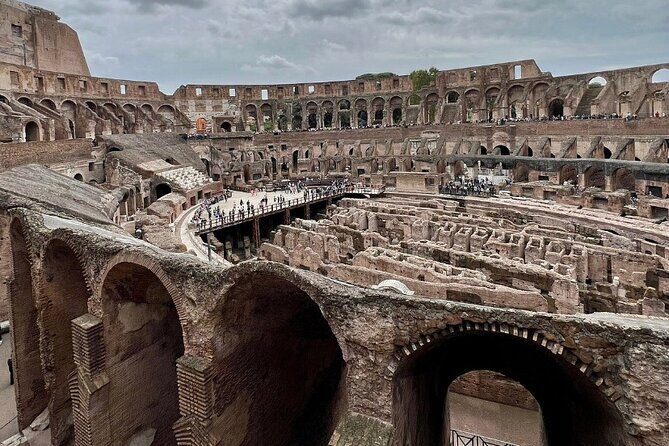
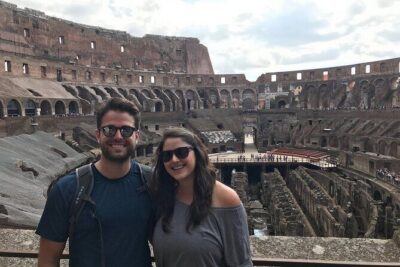
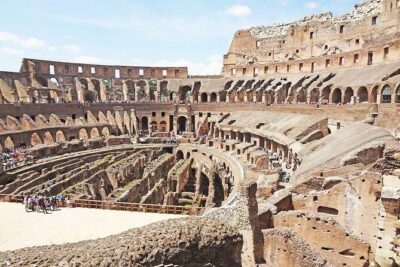
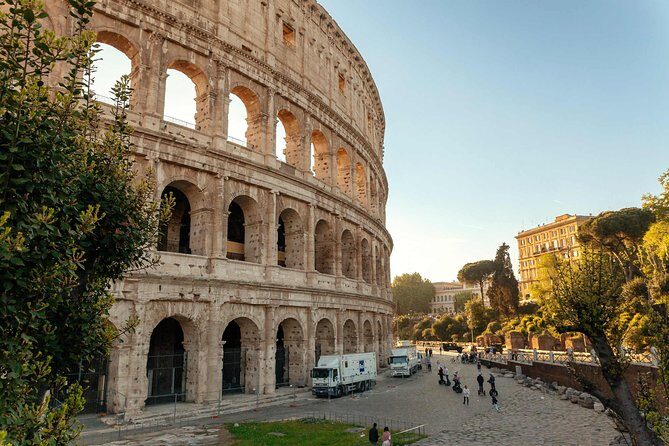
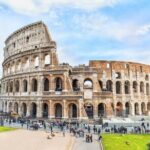
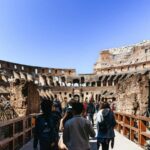
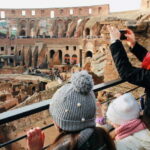
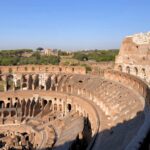
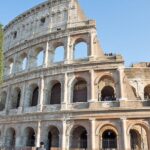
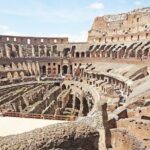
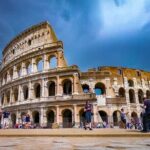
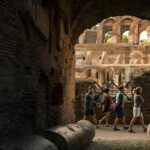
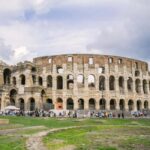
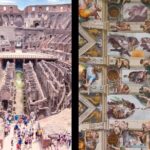
Your day starts at the Colosseum, with a driver taking you from your accommodation and your private guide meeting you on arrival. You’ll first admire the Arch of Constantine, then step inside the Colosseum itself for about an hour. Admission is included, and there’s also a reservation fee included—two details that usually translate into less time chasing access.
What I’d focus on while you’re there:
- Look for how Roman builders designed for crowd flow and fast entry.
- Notice the scale of the seating areas and how quickly spectators could find their spaces in a huge venue.
- Think about the setting: your guide will frame it as an engineering marvel that held up to about 50,000 spectators.
The description emphasizes that spectators had shade from a huge awning in the arena setup. Even if you can’t see every original feature, the key point is the same: this wasn’t just a stadium. It was a high-tech public machine for the entertainment culture of imperial Rome.
Roman Forum on the Sacred Way: law, power, and Julius Caesar
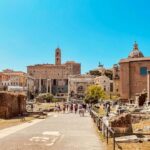
Next up is the Roman Forum, also with about an hour allocated and admission included. This is where Rome functioned as a business, legal, and administrative center—so instead of only seeing temples from the outside, you get a guided walkthrough of how power worked.
You’ll pass ruins tied to major political and religious life, including ancient remnants connected to the Roman Senate and the altar where Julius Caesar’s body was cremated. Your guide will also connect the dots to the Imperial age, including how Julius Caesar inaugurated the Imperial Forums in 46 B.C., and how the complex kept growing through the emperors until A.D. 608.
The Forum is one of those places where it can feel confusing if you don’t know what you’re looking at. Here, the guide’s job is to give names, functions, and timelines so the walking path becomes a story instead of a pile of stones.
Practical note: the Forum can feel uneven and busy even in private time. Wear shoes you’d trust on stone paths.
Palatine Hill’s views: emperors lived here
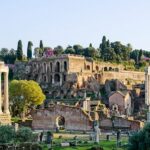
After the Forum, you head to Palatine Hill, about 30 minutes with admission included. The stop is designed less for deep archaeology immersion and more for the “you’re standing where history actually happened” moment.
You’ll see introductions to key features like the Basilica of Maxentius and the Arch of Titus, then enjoy the panoramic hill position that made it the residential center for emperors. The description emphasizes how Palatine Hill is considered the most ancient part of Rome, tied to legends around Romulus and the early settlement that grew into the empire.
If you only have a short time here, you should still aim for the views. The plan specifically calls out that looking over the Circus Maximus from Palatine is worth the tour. That perspective helps you understand how the city was layered—palaces on high ground, major events below.
More Rome in a Day tours for the Colosseum & Ancient Rome

Spanish Steps in 15 minutes: the quickest taste of baroque Rome
You’ll then head to the Spanish Steps for about 15 minutes, with admission included for the visit. This is a classic Rome stop: immediate atmosphere, busy energy, and landmark architecture right where you expect it.
Here, the value is in what’s immediately around the stairs:
- You’ll be able to admire Church of Trinità dei Monti at the top.
- You’ll also see the Fontana della Barcaccia at the foot.
Because the time window is short, treat it like a photo-and-orientation moment. You’ll likely want to stand still for a minute or two and let the scene register. Rome’s famous places can look generic in pictures until you see scale and details in person.
Trevi Fountain: aqueduct origins and a left-shoulder ritual
Next is the Trevi Fountain for about 15 minutes, with admission included. This stop is built around a simple idea: see it, understand why it’s there, and don’t let the crowds steal your joy.
You’ll reach Trevi through back streets, then learn the fountain’s connection to an aqueduct that supplied water during the Roman Empire. That detail matters, because the fountain isn’t random—it’s tied to how Romans engineered urban life.
You’ll also be told the coin tradition: toss a coin over your left shoulder into the water to help ensure you return to Rome. It’s not essential, but it’s part of the experience, and it gives you something fun to do while you wait for a gap in the crowd.
Pantheon stop: when it’s outside-only (and what that means)
After Trevi, you’ll go to the Pantheon for about 15 minutes. Here’s the key detail from the plan: the ticket for the Pantheon is not included, and the visit may be from the outside if the line is too long.
That means you should treat this as a quick architectural moment rather than a full interior visit. Still, it’s one of the best-looking “just stand there” monuments in central Rome, and the tour description highlights its perfection: the space was completed in 128 A.D., and its diameter is described as unmatched.
If you arrive and the crowd situation allows it, you might be able to adjust—yet you should plan mentally for outside viewing. The value of this stop is that you’ll still see a major landmark without the day derailing.
Piazza Navona: fountains plus street-art energy
Then it’s on to Piazza Navona for about 15 minutes, with admission included. This square is famous for its fountains—Fountain of the Moor, Fountain of Neptune, and the central Fountain of the Four Rivers—plus the daily presence of artists who arrive to sell their work.
This is one of those stops that works even with limited time because the place itself does a lot of the entertaining. If you want to break up the long history blocks with something lighter, Piazza Navona does that job.
My practical advice: keep your pace easy here. Don’t rush photos. Let yourself walk the perimeter once, then grab one good angle of all three fountains.
Vatican Museums and the Sistine Chapel: art hours you feel
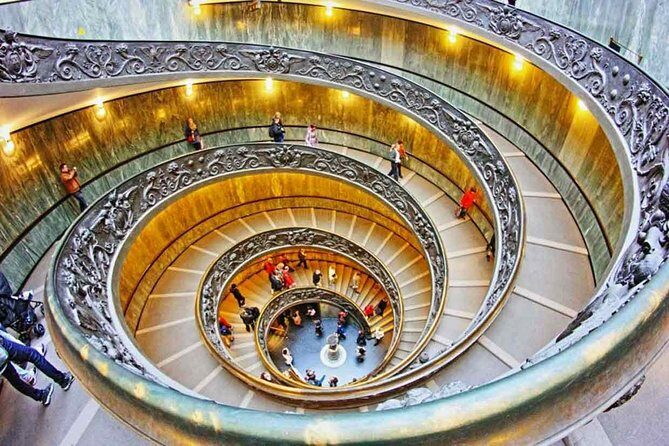
The final major block is Vatican Museums for about 2 hours, with admission included. You’ll ride with your driver to the Vatican, then spend time with masterpieces and collections associated with multiple papal eras.
The description points out several “high-hit” categories:
- Art by names like Bernini, Raphael, Michelangelo, Botticelli, and others
- Mosaics and ancient sculptures
- The Raphael Rooms
- And, most importantly, the Sistine Chapel with Michelangelo’s Last Judgment
Two things are worth planning for. First: bring the right clothing. You’re reminded to cover knees and shoulders before entering the Sistine Chapel, or you won’t be able to get in comfortably. Second: this is security-and-crowd territory, so even with private timing help, your focus should stay on the art, not the moving lines.
Special date note (important): from 11 January 2026 to April 2026, Michelangelo’s Last Judgment fresco will not be visible to the public due to extraordinary maintenance work, with scaffolding covering the wall. The Vatican Museums and Raphael’s Rooms remain open, but this specific visual highlight may be blocked during that window. If you’re visiting during those months, it’s smart to adjust your expectations in advance.
Lunch in the middle of the crush: staying human
Lunch is included, which is a big deal on a day this full. When you’re doing Colosseum to Vatican in one run, skipping lunch can turn a fun day into a grumpy one fast.
One practical point: in Rome, you may be offered tap water rather than bottled water. The operator’s stance is that tap water is treated as spring water and is considered high quality. If you have a personal preference, you can plan a backup by carrying a small snack, just in case you want more control.
Even with lunch handled, you still want to pace yourself. Drink water, use the restroom when you see a chance, and don’t let the “one last photo” urge burn time you’ll need later.
Price and value: is $909.11 a smart use of your trip time?
At $909.11 per person for an 8-hour private day, this isn’t a budget move. But you’re not just paying for entry tickets. You’re paying for the system that makes those entries realistic: private guide, private chauffeur transport, lunch, and included entrance tickets plus a Colosseum reservation fee.
So the value question becomes: how much is your time worth, and how much friction do you want to avoid? If you’re on a short trip or you hate coordinating transit plus timed ticket chains, this kind of private plan can actually be cheaper than it looks when you factor in missed time, stress, and the cost of individual ticket handling.
This can be a great fit if:
- You’re seeing Rome for the first time
- You want fewer days planning and more hours looking
- You prefer a guide to connect monuments to meaning quickly
- You’re comfortable with a fast pace and short stops
It’s a weaker match if you’re the type who wants to spend half a day in one place, or if you’d rather learn by wandering without timed windows.
Who this private Rome day suits best
This experience fits best for travelers who want the big hits in a single day and don’t want to become a part-time scheduler. The day is built around classic landmarks: Colosseum, Roman Forum, Palatine Hill, Spanish Steps, Trevi Fountain, Piazza Navona, and the Vatican Museums.
It also fits well if you’re traveling in a small party that values privacy. Being a private tour means only your group participates, which can help you keep momentum without waiting around for strangers.
If you’re traveling with kids, it says most travelers can participate, but you’ll still be facing a long day and multiple transitions. Plan for frequent breaks and comfort-oriented shoes.
Should you book this Rome in a day?
Book it if you want to see an enormous slice of Rome with pickup, reserved access support, a professional guide, and lunch, all in one coordinated run. The strongest reason to book is the way the format reduces the two big travel killers in Rome: time lost to transit and time lost to lines.
Skip it or consider alternatives if you’re aiming for slow travel. The short time windows (like 15 minutes at Spanish Steps, Trevi, and Piazza Navona, plus a Pantheon stop that may be outside-only) mean you won’t get that long, quiet, “study every detail” feeling.
One final check before you decide: if you’re visiting between 11 January 2026 and April 2026, be aware the Last Judgment may be hidden by scaffolding in the Sistine Chapel. If that fresco is your main target, you’ll want to plan around that reality.
FAQ
How long is the tour?
It runs about 8 hours (approx.), with multiple stops throughout the day.
Is pickup from my accommodation included?
Pickup is offered from any central hotels/apartments/B&B in Rome. If your accommodation is not central (around 8 km from the Pantheon), you should expect a supplement for extra distance.
Are entrance tickets included for all the main sites?
Entrance tickets are included for the Colosseum, Roman Forum, Palatine Hill, Spanish Steps, Trevi Fountain, Piazza Navona, and Vatican Museums. The Pantheon is different.
What about the Pantheon ticket?
Pantheon admission is not included. The visit may be from the outside, especially if the queue is too long. The Pantheon ticket is listed as €5.
Does this tour use mobile tickets?
Yes, a mobile ticket is offered.
What should I wear for the Sistine Chapel?
You should cover knees and shoulders before entering the Sistine Chapel.
Do I need to bring identification?
Yes. You should bring a valid passport or ID document that matches the names provided at booking.
Can the order of stops change?
Yes. The order of visited sites could be reversed, especially for tours booked close to the date.
Will the Last Judgment be visible in the Sistine Chapel in 2026?
From 11 January 2026 to April 2026, the Last Judgment fresco will not be visible to the public due to extraordinary maintenance work, with scaffolding covering the wall. The Vatican Museums and Raphael’s Rooms remain open.
Is the tour refundable?
No. The experience is non-refundable and cannot be changed for any reason once booked.